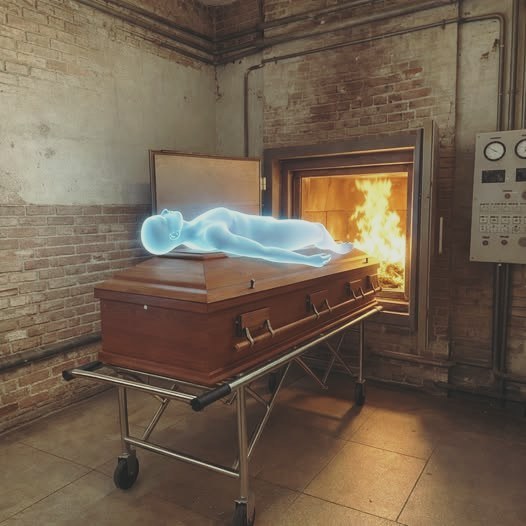
Cremation in Christianity: Faith, Tradition, and Modern Choices
In recent decades, cremation has grown in popularity across Western societies, driven by rising funeral costs, limited cemetery space, and environmental concerns. For many Christians, this shift prompts reflection on faith, tradition, and the eternal significance of the body.
Biblical Roots and Burial Tradition
Historically, burial has deep biblical precedent. Figures like Abraham and Moses were buried in the earth, and the burial of Jesus Christ set the central Christian example. St. Paul described death as a seed sown in the ground, emphasizing resurrection and hope beyond earthly life (1 Corinthians 15). For centuries, Christians avoided cremation, associating it with pagan rituals that denied resurrection.
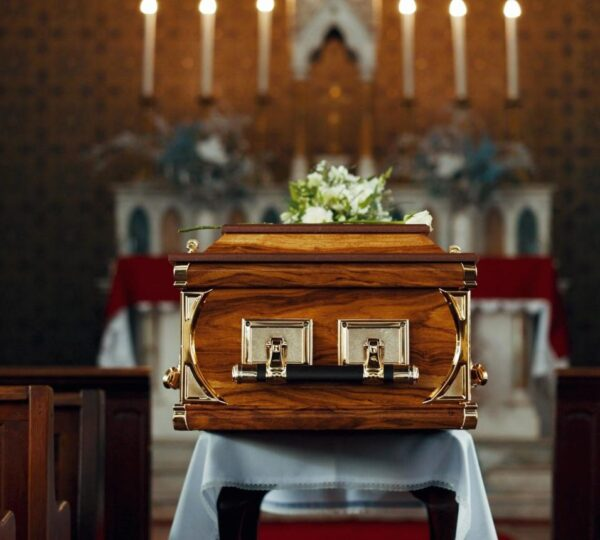
Cremation and Christian Theology
The Bible never explicitly forbids cremation. Modern scholarship emphasizes that God’s power transcends the physical state of remains. Burial, cremation, or scattering of ashes does not compromise the promise of resurrection. Today, most major denominations—including Roman Catholic, Eastern Orthodox, and Protestant churches—accept cremation when handled with reverence.
Catholic guidelines, such as the 1963 Piam et Constantem, allow cremation provided it does not deny belief in bodily resurrection. Eastern Orthodox traditions prefer burial but recognize cremation in exceptional circumstances. Protestant communities typically emphasize personal and family choice, focusing on memorialization rather than strict rituals.
Practical and Environmental Considerations
Continue reading on next page…