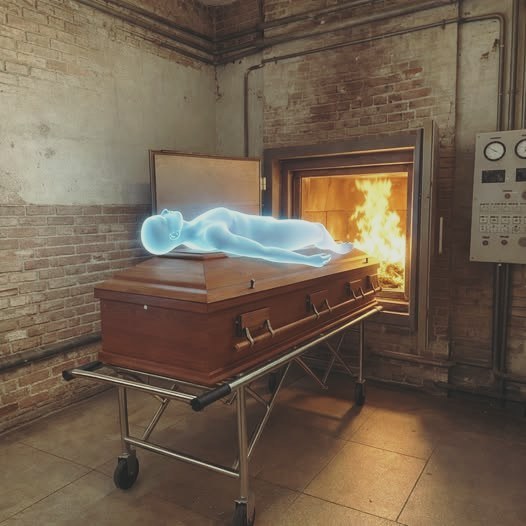
Cremation often offers lower costs, space efficiency, and reduced environmental impact compared with traditional burial. Families can store ashes in urns, inter them in columbaria, or scatter them in meaningful locations. This flexibility allows for personalized memorials while honoring faith and life.
Memorialization and Spiritual Meaning
Christian reflection on cremation emphasizes that the body’s fate does not determine eternal destiny. Ceremonies, prayers, scripture readings, and memorial services can honor the deceased and reinforce hope in resurrection, regardless of disposal method. Cremation can coexist with spiritual depth, remembrance, and community support.
Respect, Faith, and Hope
Both burial and cremation uphold core Christian principles: dignity, respect, and love for the deceased. Earthly choices are secondary to the eternal promise of resurrection and glorification. Faith, hope, and grace remain central, reminding believers that fire, decay, or decomposition cannot impede God’s transformative power.
Modern Guidance
Pastoral care encourages education and reassurance, helping families make informed decisions that align with both faith and practical needs. Cremation, when chosen thoughtfully, becomes a meaningful, reverent option that balances tradition, personal preference, and community values.

💡 Takeaway: Whether choosing burial or cremation, the guiding principle is respect, remembrance, and faith in eternal life. How does your family approach this sacred decision? Share your thoughts and experiences below!