Discussions around free speech in the United States have continued to spark debate in recent years, with concerns being raised by various groups about how expression is interpreted and enforced in different public settings. From college campuses to online platforms, conversations around what constitutes acceptable speech—and who gets to decide—remain highly contested.
Supporters of stronger free speech protections argue that there is a growing “free speech crisis,” pointing to incidents involving protests, online content moderation, and disagreements over expression in public spaces. They say these situations reflect a broader tension between safety, policy enforcement, and constitutional rights.
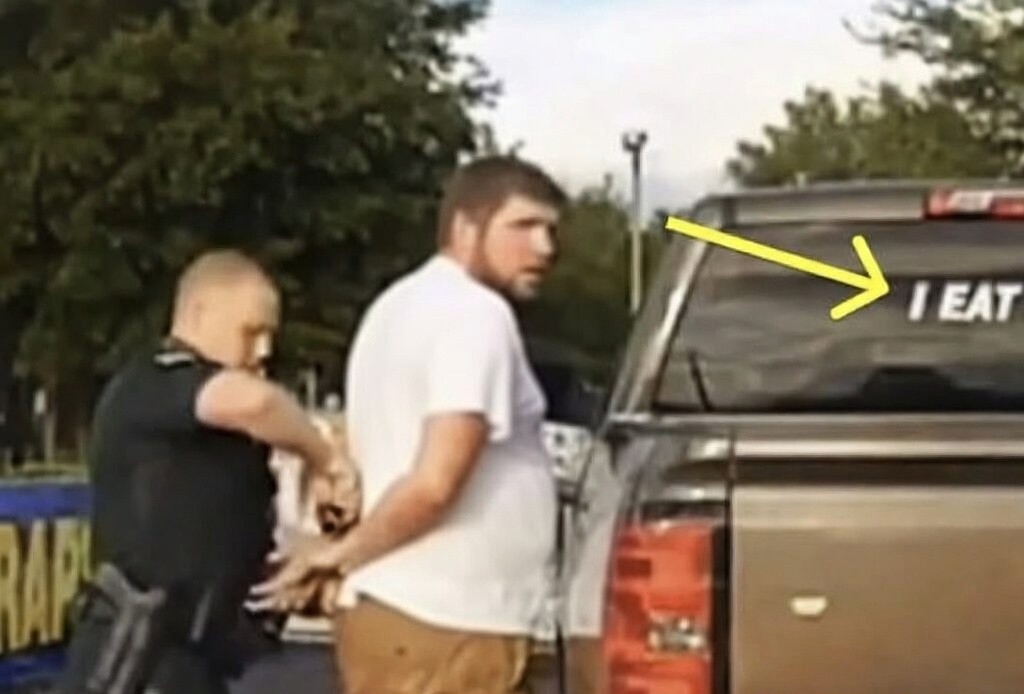
One incident often cited in these discussions took place in Florida and involved a young driver, 23-year-old Dillon Shane Webb, whose traffic stop drew public attention and debate. According to reports from the time, Webb was pulled over in Lake City by a sheriff’s deputy who questioned a decal displayed on his vehicle, describing it as offensive or derogatory in nature.
The stop quickly became a focal point in broader conversations about where the line is drawn between personal expression and public policy enforcement. While traffic stops are typically routine law enforcement procedures, this particular case gained attention because of the reason cited for the interaction and the questions it raised about interpretation and intent.
Keep reading…