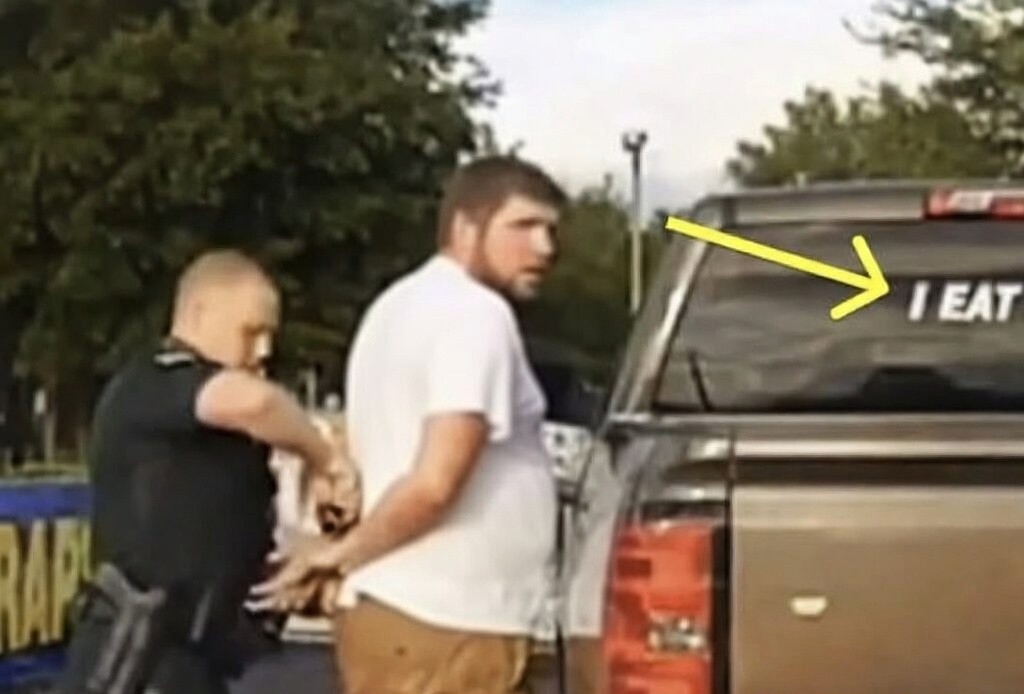
Supporters of law enforcement emphasized that officers are often required to make quick judgments in the field, particularly when public complaints or concerns are involved. From their perspective, such decisions are guided by policy and situational awareness rather than broader political considerations.
On the other side of the debate, civil liberties advocates pointed to the incident as an example of why clearer standards around expression are needed. They argue that subjective interpretations of symbols, slogans, or imagery can sometimes lead to inconsistent enforcement, which fuels public concern over fairness and free expression.
The case has since been referenced in wider discussions about how free speech is understood and applied in everyday life across the United States. It highlights the ongoing challenge of balancing individual rights with public order, especially in situations where interpretation can vary depending on context.
More broadly, the conversation continues to evolve as technology, social media, and public discourse reshape how speech is shared and regulated. What once may have been a local incident can now quickly become part of a national debate, amplified by online platforms and public commentary.
While the specific details of the 2019 incident remain tied to that time period, the questions it raised are still being discussed today: how free expression is protected, where limits exist, and how those boundaries are enforced in real-world situations.
If this topic interests you, share your thoughts below—where do you think the balance should be between free expression and public policy enforcement in today’s society?