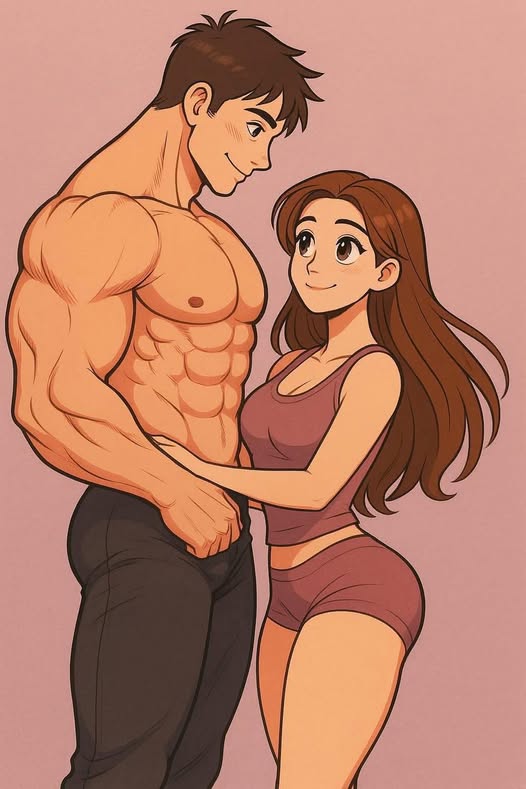
When it comes to attraction, people often think they’re choosing someone based on a long checklist of qualities—style, personality, confidence, appearance, and countless subtle impressions that form within seconds of meeting someone. Among all these traits, height is one of the first physical details people tend to notice, often before a single word is exchanged.
Whether we realize it or not, height can subtly influence first impressions. It shapes how we perceive presence, posture, and even confidence in social situations. In everyday interactions, people naturally become aware of height differences when greeting someone, walking side by side, or sharing space in close conversation. It’s not necessarily something people consciously prioritize, but it can still play a quiet role in attraction and perception.
Different people, of course, have different preferences. Some are naturally drawn to taller partners, associating height with elegance, confidence, or strong presence. Others prefer shorter partners, often finding comfort in familiarity, warmth, or approachability. These preferences are deeply personal and shaped by experience, culture, and individual perspective rather than any universal rule.
Psychological studies on attraction suggest that height can influence first impressions, but those impressions are not fixed truths. For example, taller women are sometimes perceived as more confident or independent, largely because society often associates height with authority or visibility. On the other hand, shorter women are sometimes viewed as more approachable or nurturing, reflecting long-standing social stereotypes rather than fixed qualities.
Keep reading…