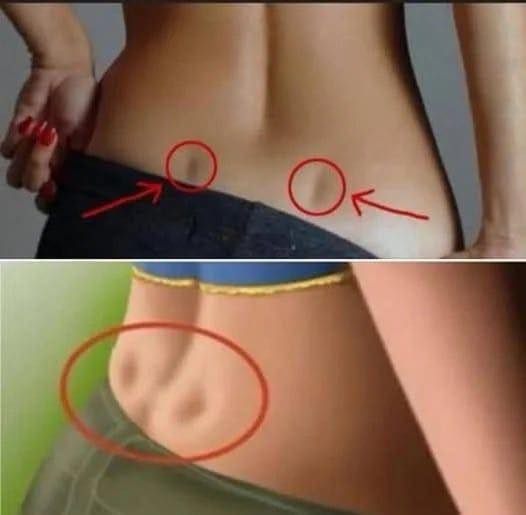
Lower Back Dimples Explained: What They Actually Mean
A Small Feature That Often Gets Misunderstood
Lower back dimples—often called Venus or Apollo dimples—are small indentations that appear just above the buttocks on some people. They tend to catch attention because they sit in a naturally visible area of the body, but despite the curiosity around them, they don’t signal anything dramatic about health, fitness, or lifestyle on their own.
They are simply one of many natural variations in human anatomy.
The Simple Anatomy Behind Them
These dimples form where the skin connects more tightly to underlying pelvic structures, particularly near the posterior superior iliac spine of the pelvis. In people where this connection is more defined, the skin dips slightly inward, creating the visible indentation.
In others, the same area is shaped differently, so the skin appears smooth. Neither version is “better”—it’s just structural variation influenced mostly by genetics and natural body composition.
Why Some People Have Them and Others Don’t
Lower back dimples are not something you earn through exercise or lose through inactivity. They are not tied to discipline, strength, or fitness level.
Two people can have similar training routines, body fat levels, and lifestyles, yet only one may have visible dimples. That difference comes down to bone structure, ligament placement, and how the body stores and distributes tissue in that region.
What Can Affect How Visible They Look
While you cannot “create” these dimples, their visibility can change slightly depending on body composition.
Keep reading…