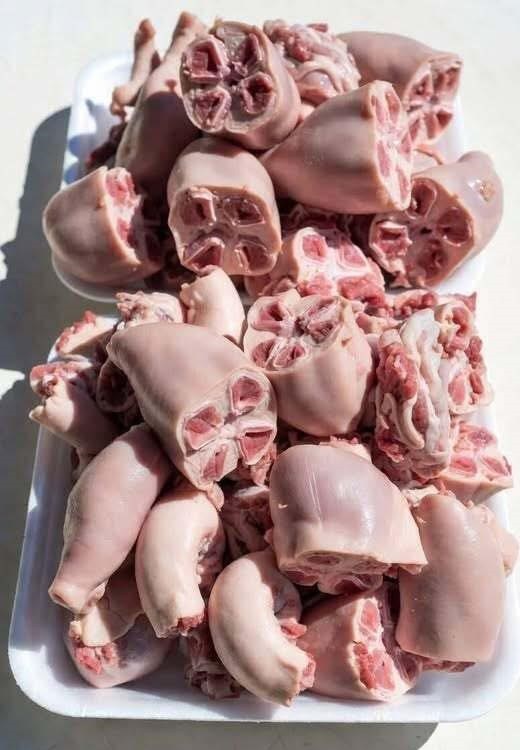
A Wake-Up Call in the Grocery Aisle: What’s Really Behind Packaged Meat?
Many shoppers trust supermarkets without a second thought, assuming that what’s on the shelf matches what’s on the label. But recent concerns have sparked a wave of questions about how transparent the food supply chain really is.
Reports and consumer complaints began quietly at first. People noticed subtle changes—slightly different textures, unfamiliar odors, and inconsistent quality in certain packaged meat products. Most dismissed it as a one-off issue or a temporary supplier problem. However, further scrutiny revealed a more complicated picture.
What Investigations Began to Uncover
According to food industry inquiries, the issue wasn’t necessarily with the supermarkets themselves, but with parts of the supply chain operating behind the scenes. Some distributors were found to be blending lower-grade imported meat with higher-quality cuts in order to reduce costs.
On the surface, everything appeared normal. Packaging looked professional, labeling claimed premium standards, and prices remained unchanged. For the average shopper, there was little reason to suspect anything unusual.
A Breakdown in Transparency
The concern raised by experts wasn’t primarily about immediate food safety, but about honesty and transparency. In some cases, the meat originated from facilities with limited regulatory oversight, where quality standards differed from what customers expected based on branding and pricing.
Consumers, once informed, expressed frustration and disappointment. Many felt they had been misled by packaging that suggested a higher standard than what was actually delivered.
Supermarkets Respond
Keep reading…