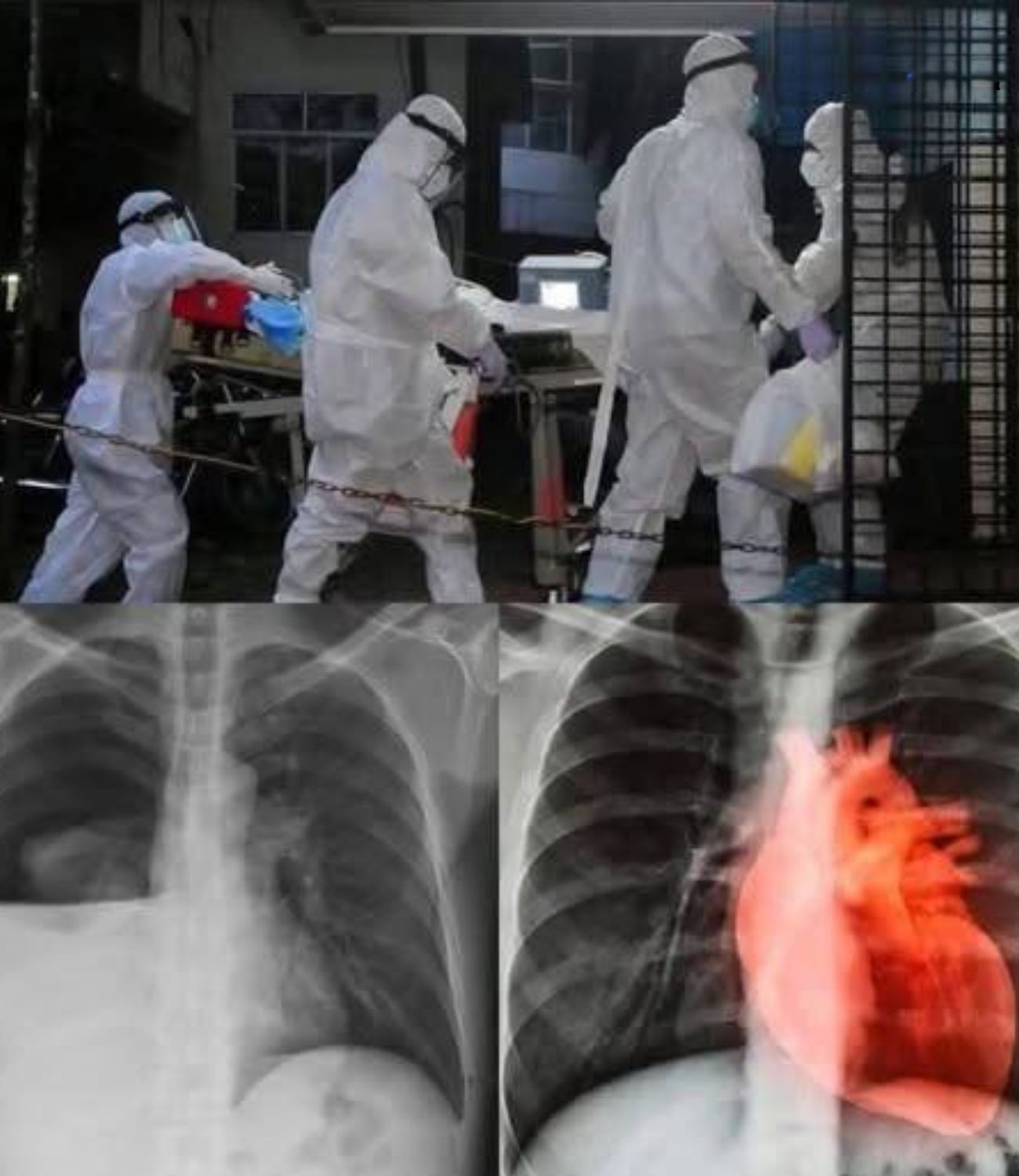
Scientists Identify Possible Mechanism Behind Rare Heart Inflammation After mRNA Vaccines
Researchers at Stanford Medicine have reported new insights that may help explain why a very small number of people develop myocarditis after receiving mRNA COVID-19 vaccines. The findings, published in Science Translational Medicine, focus on how specific immune pathways may contribute to rare cases of heart inflammation.
Experts emphasize that these cases remain uncommon and that vaccination continues to provide strong protection against severe illness, including complications caused by COVID-19 infection itself.
A Closer Look at Immune System Activity
The study examined blood samples from individuals who developed myocarditis after vaccination and compared them with those who did not experience any complications.
Two immune-related signaling proteins—CXCL10 and IFN-gamma—showed notable differences. These molecules play key roles in coordinating immune responses during infection and inflammation.
Researchers suggest that, in rare situations, an interaction between these proteins may contribute to an amplified inflammatory response affecting heart tissue.
How the Immune Response Was Recreated in the Lab
To better understand the process, scientists simulated immune reactions using human immune cells in controlled laboratory conditions.
They observed that macrophages, which are responsible for detecting foreign material, produced higher levels of CXCL10 after exposure to mRNA vaccine components. When T cells were introduced, IFN-gamma levels increased, intensifying the immune response.
Keep reading…