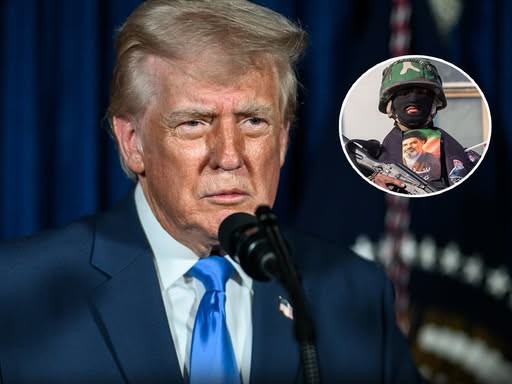
The world feels as if it is holding its breath.
Across major capitals—from Washington to European diplomatic hubs and key Middle Eastern centers—the global mood is defined by uncertainty. Tensions between two major powers have not erupted into open conflict, but they also haven’t eased. Instead, they exist in a fragile in-between state: a tense pause where every decision carries weight and every delay feels intentional.
At the center of this moment is a proposed 10-point diplomatic framework that has temporarily slowed military escalation and shifted attention toward negotiation. While its details remain closely guarded, its impact is already visible. Military activity in sensitive regions, including strategic waterways like the Strait of Hormuz, has taken on a more restrained posture. Naval movements continue, but under heightened observation and tighter operational limits.
Rather than rapid escalation, the current phase is defined by caution.
Diplomats from multiple nations—including regional powers and global stakeholders such as China, Turkey, Egypt, Pakistan, and others—are actively engaged in behind-the-scenes discussions. Their involvement reflects how far-reaching the implications are. This is no longer a bilateral issue; it is a wider geopolitical balancing act where economic stability, energy security, and regional influence are all intertwined.
Continue reading…