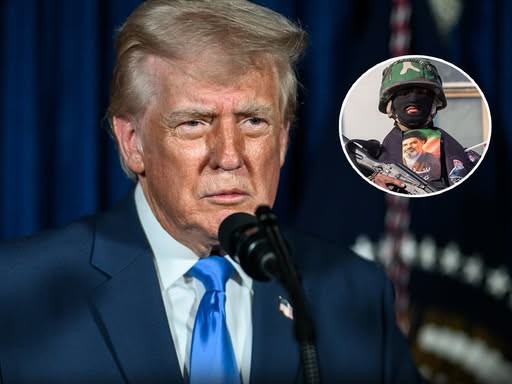
Each participating nation is approaching the situation from its own strategic perspective. Some are focused on preventing disruption to global trade routes, while others are working to avoid wider regional instability. The result is a complex web of negotiations that extends far beyond any single agreement.
The proposed framework itself is widely viewed as an attempt to create temporary stability while longer-term issues remain unresolved. Supporters argue that this kind of diplomatic pause is necessary to prevent further escalation and to open space for structured dialogue. From this perspective, restraint is being framed as a form of strategic leadership—an effort to prevent immediate conflict while broader solutions are explored.
However, not all interpretations are optimistic.
Critics view the situation as fragile, warning that temporary pauses in tension do not necessarily resolve the underlying causes of conflict. They argue that without deeper structural agreements, any cease in escalation could be short-lived, leaving room for future instability. The concern is not just about the present moment, but about what comes after it—when the pressure of unresolved issues inevitably returns.
In the Strait of Hormuz and surrounding waters, the atmosphere reflects this uncertainty. Commercial shipping continues under watchful conditions, while military forces maintain presence without crossing into open confrontation. It is a delicate balance—one that relies heavily on communication channels remaining open and incidents being carefully managed.
What makes this moment particularly significant is not just the tension itself, but the restraint being shown on multiple sides. In global politics, restraint can be as impactful as action. The decision to pause, negotiate, or avoid immediate escalation can reshape trajectories just as dramatically as conflict.
Still, the outcome remains uncertain.
Diplomatic negotiations are ongoing, and the next phase will likely determine whether this period becomes a foundation for long-term stability or simply a temporary lull before renewed escalation. Much depends on whether competing interests can be aligned enough to support a durable agreement rather than a short-term pause.
For now, global markets, governments, and observers remain in a state of watchful anticipation. Every development is analyzed, every statement weighed, and every movement interpreted through the lens of what it could signal next.
This is not a moment defined by certainty—it is defined by possibility.
And as the next phase of negotiations unfolds, the world is left with a single, pressing question: will this fragile diplomatic framework evolve into lasting stability, or is it simply the quiet before a more decisive shift?
If you found this breakdown insightful, share your thoughts below—do you think diplomacy can hold in high-stakes global tensions, or is escalation always inevitable?