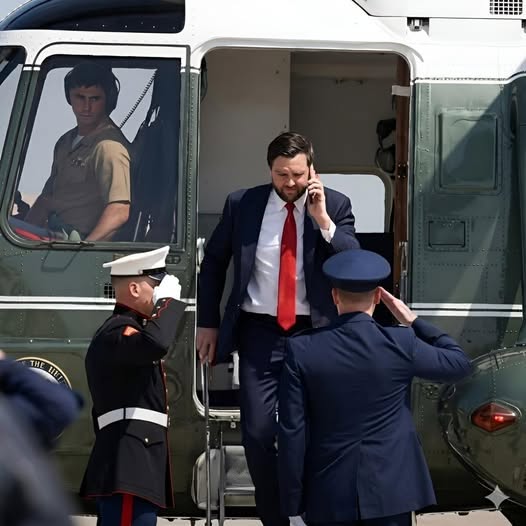
What JD Vance’s Sudden Schedule Change Could Signal Ahead of High-Stakes International Talks
In diplomacy, even a small adjustment to a public schedule can attract significant attention. A last-minute change involving U.S. Vice President JD Vance has sparked discussion among political observers, with many wondering whether the move reflects growing urgency surrounding upcoming international meetings.
While officials have released few details, that silence is not unusual. During sensitive negotiations involving national security, global alliances, or economic stability, governments often limit public statements to avoid influencing ongoing discussions or creating unnecessary speculation.
Still, unexpected scheduling changes by senior leaders rarely go unnoticed.
A Strategic Move Behind the Scenes
Diplomatic experts often point out that altering travel plans or meeting agendas can be a practical response to rapidly evolving circumstances. It may signal a desire to remain closely involved in negotiations, coordinate with allies, or respond quickly if conditions change.
In this case, the adjustment appears less about headlines and more about maintaining flexibility during an important period of international engagement. High-level officials frequently adapt their calendars to ensure they are available for confidential briefings, emergency consultations, or strategic decision-making.
Continue reading…