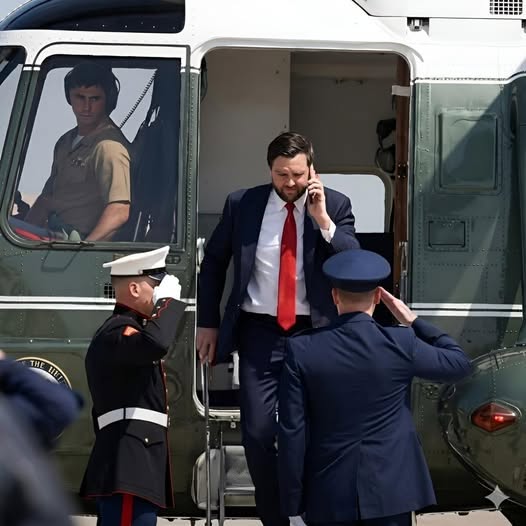
That does not necessarily indicate that a breakthrough is imminent or that a crisis has intensified. Rather, it suggests that policymakers believe the discussions deserve close attention and careful coordination.
Reading Between the Lines
Political analysts caution against drawing firm conclusions from scheduling decisions alone. Behind-the-scenes diplomacy often involves multiple meetings, secure communications, and evolving priorities that never become public knowledge.
A schedule revision may simply reflect logistical needs or the desire to position key officials where they can respond most effectively if developments occur.
At the same time, experienced observers recognize that maintaining direct involvement during complex negotiations can help strengthen communication among governments and reduce misunderstandings during periods of uncertainty.
Why Timing Matters
Global issues rarely unfold on fixed timetables. Diplomatic opportunities can emerge quickly, while unexpected developments may require immediate attention from senior officials.
By remaining closely engaged, leaders may be better equipped to address challenges involving international partnerships, regional security concerns, economic cooperation, or humanitarian issues without unnecessary delays.
For the public, however, limited information can fuel speculation. That is why experts often recommend waiting for verified updates rather than interpreting isolated events as evidence of major policy shifts.
Looking Ahead
Whether this schedule change proves significant may only become clear after official meetings conclude and governments release additional information. Until then, the adjustment serves as a reminder that diplomacy often unfolds quietly, with meaningful decisions taking place far from cameras and public statements.
In international affairs, preparation and presence can be just as important as public announcements. A seemingly routine calendar update may simply reflect an effort to stay engaged during a moment when careful communication matters most.
What do you think—should diplomatic leaders share more about behind-the-scenes developments, or is discretion essential during sensitive negotiations? Share your thoughts in the comments and join the conversation.