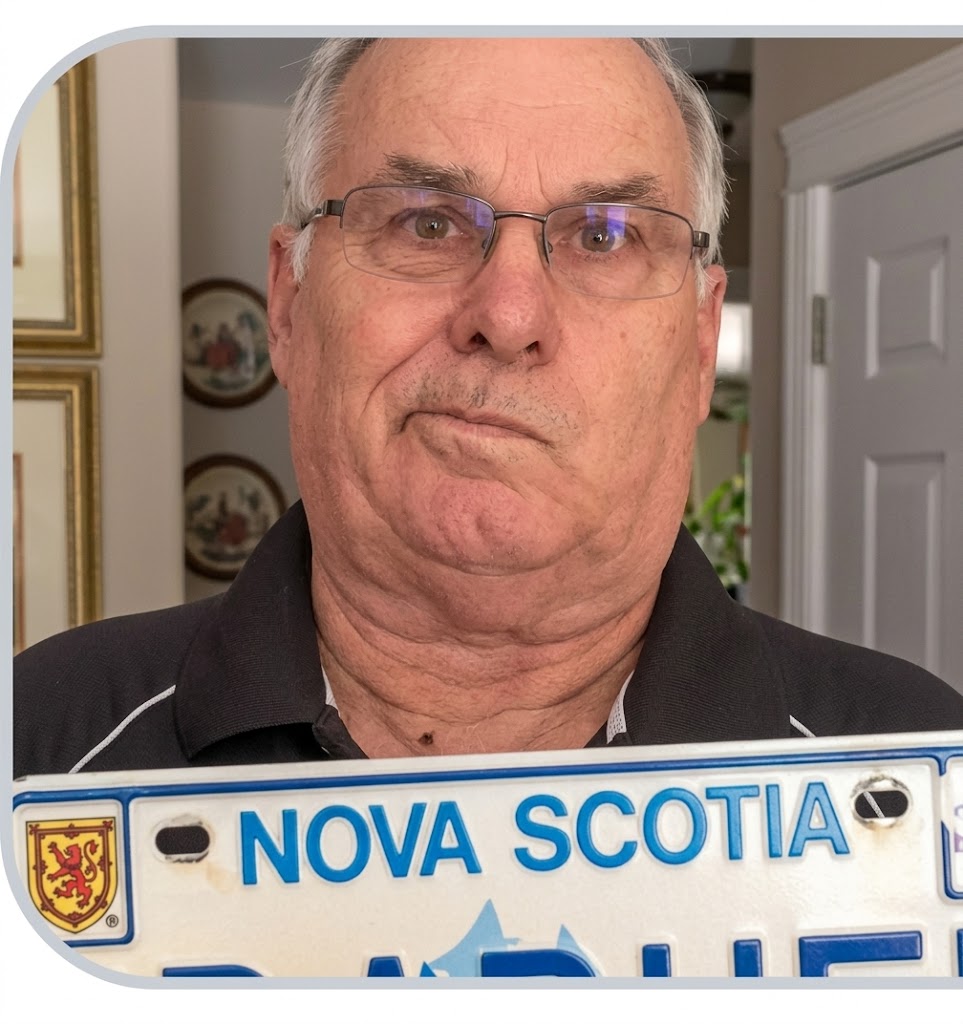
A simple personalized license plate became the center of a much larger debate—one that reached far beyond a few letters on a vehicle.
For Lorne Grabher, the plate was never intended as a political statement. It represented something personal: a connection to his family history, his heritage, and a tribute to his late father. What began as a private symbol of identity eventually became the subject of public controversy, legal arguments, and a broader conversation about language, interpretation, and social responsibility.
The dispute gained attention because the same combination of letters carried very different meanings for different people. To Grabher, it was a family name with sentimental value. To critics, including experts who study gender, communication, and social attitudes, the phrase raised concerns because of its possible association with harmful language and wider cultural discussions about respect and safety.
At the center of the issue was a difficult question: when does personal expression become a public concern? The case placed individual meaning against collective perception, forcing the courts to examine how society should respond when a message can be understood in more than one way.
Keep reading…