Professor Carrie Rentschler’s analysis focused on the broader social context surrounding the phrase, including conversations about language that can reinforce harmful attitudes toward women. Supporters of this perspective argued that words and symbols do not exist in isolation—they can carry different meanings depending on cultural moments and public experiences.
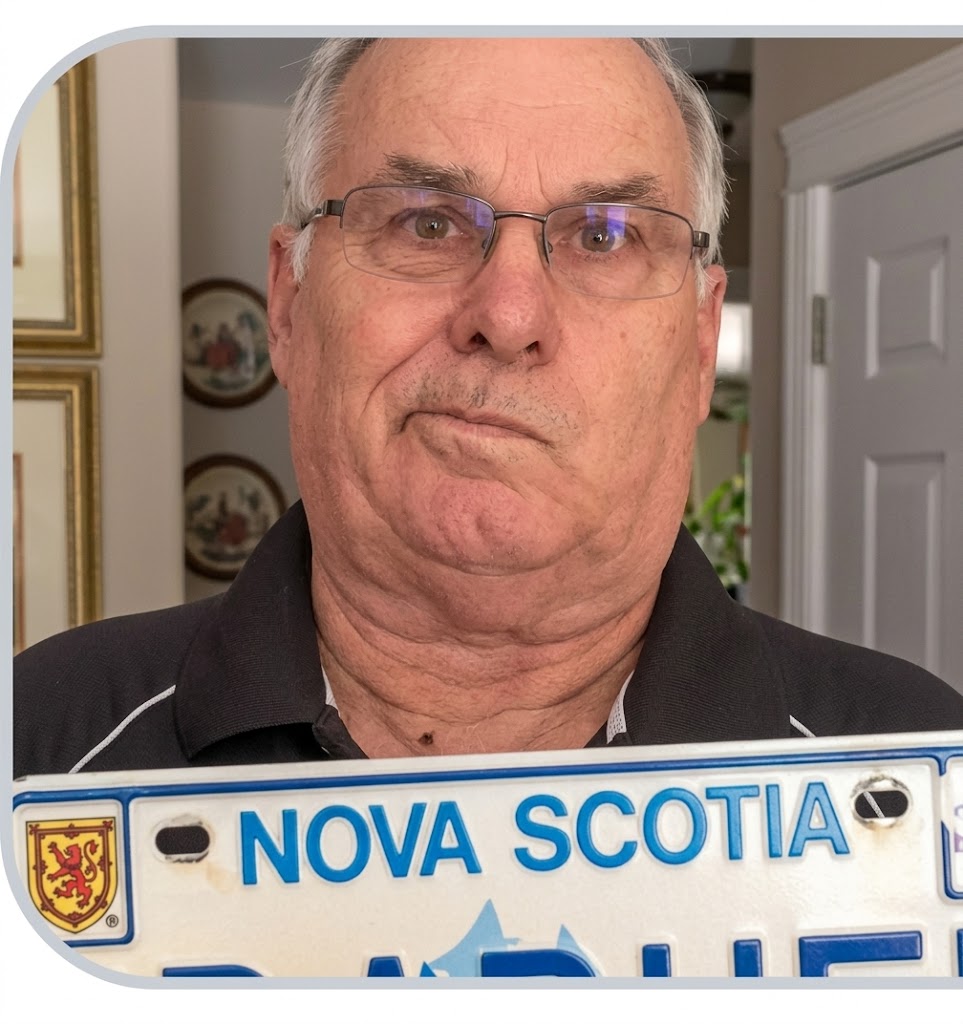
On the other side, Grabher maintained that the plate reflected family pride rather than any harmful message. He argued that removing it affected his personal expression and transformed a meaningful tribute into something viewed through a completely different lens.
The court’s decision, which included a $750 award, did not bring back the plate or erase the controversy. However, it recognized that the dispute involved more than a government decision about a vehicle registration. It highlighted the challenges that arise when personal identity, public interpretation, and sensitive social issues collide.
The case serves as a reminder of how complicated modern communication has become. A name, phrase, or symbol can hold deeply personal meaning for one person while creating concern or discomfort for another. In an era where messages travel instantly and debates often become polarized, finding balance between individual rights and community standards remains a continuing challenge.
Ultimately, the controversy was not only about a license plate. It was about how society decides what words mean, who gets to define those meanings, and how we navigate disagreements in a diverse world.
What do you think—should personal intent carry more weight, or should public impact be the deciding factor? Share your perspective and join the conversation about where the line between expression and responsibility should be drawn.