Chin Hair in Women: What It Can Reveal About Hormones and Aging
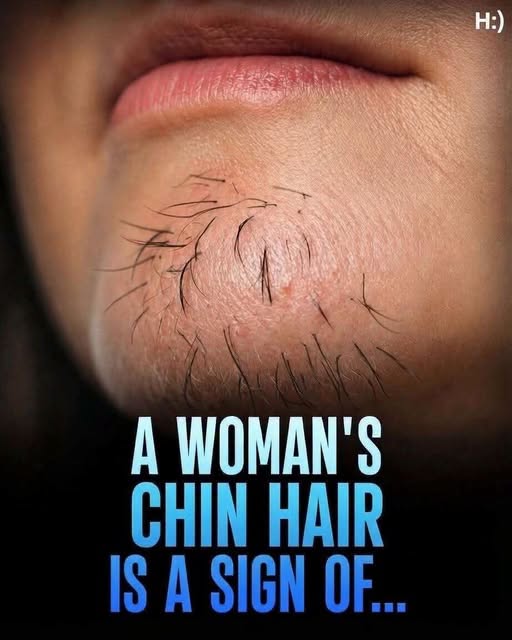
Noticing a few dark hairs on your chin can be surprising, but it is a common experience for many women. In most cases, occasional chin hair is a normal part of genetics and hormonal changes. However, when facial hair becomes noticeably thicker, increases rapidly, or appears alongside other symptoms, it may be worth discussing with a healthcare professional.
Understanding the possible causes can help you decide when chin hair is simply a normal variation and when further evaluation may be useful.
1. Genetics Can Play a Role
Genetics can influence where facial hair grows, how quickly it develops, and how thick or dark it becomes. Some women naturally have more visible chin hair than others, even when their hormone levels are within the typical range.
Hair follicles also vary in their sensitivity to androgens, a group of hormones that includes testosterone. Women naturally produce androgens, and these hormones contribute to normal bodily functions. In some individuals, hair follicles respond more strongly to them, leading to coarser hair in areas such as the chin and upper lip.
If other women in your family have similar facial hair patterns, genetics may be one contributing factor.
2. Hormonal Changes Can Affect Facial Hair
Hormone levels change throughout life, and these shifts can influence hair growth. Some women notice more facial hair during perimenopause or after menopause, when estrogen levels decline and the balance between different hormones changes.
 Up Next: Page 2 of 3
A few isolated chin hairs do not necessarily indicate a hormonal problem....
If facial hair develops alongside other unexplained changes, a healthcare professional can help determine whether hormonal testing or further assessment is appropriate.
Continue Reading