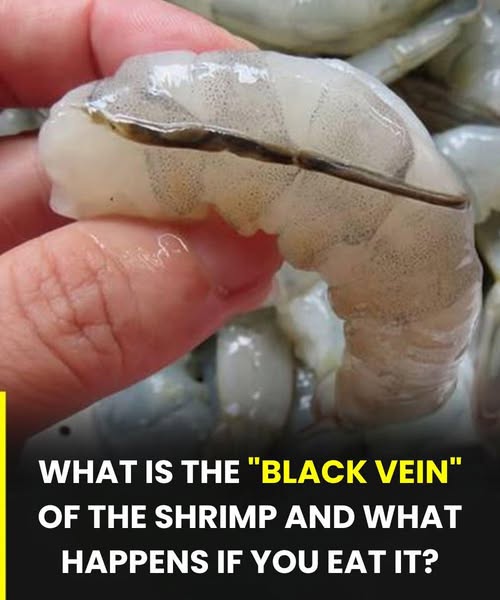
Shrimp has long been a favorite in kitchens around the world, celebrated for its adaptability, snap, and ability to absorb flavors—from garlic and butter to citrus and bold spices. Whether in the casual shrimp boils of the American South or the refined gambas al ajillo of Spain, shrimp is at home in both gourmet restaurants and family dinners. Yet, despite its popularity, one feature of this crustacean continues to spark discussion among cooks: the dark line running along its back. Often called the “vein,” this line has inspired debate over whether removing it is a matter of hygiene, culinary preference, or visual appeal.
To truly understand this feature, it helps to move beyond the common label. Despite the nickname, this “vein” isn’t part of the shrimp’s circulatory system at all. It is, in fact, the digestive tract, essentially the shrimp’s intestine. Because shrimp feed along the ocean floor, consuming algae, plankton, and organic debris, the dark line is simply the remains of their last meal. Its color can vary—from a light, translucent gray to a deep black—depending on the shrimp’s diet prior to harvest.
For home cooks, the main concern is usually safety: is it harmful to eat? The good news is that it is generally safe. When shrimp are fresh and properly cooked, the digestive tract does not pose a health risk. Cooking at the proper temperature—enough to turn shrimp from translucent to opaque pink—effectively kills any bacteria that might be present. In many culinary traditions, especially in cultures that fry or dry small shrimp whole, “deveining” is considered unnecessary labor that doesn’t impact safety.
Still, culinary excellence goes beyond safety. Flavor, texture, and presentation all play a role, and the digestive tract can affect these elements. While harmless, it may carry a slightly muddy or bitter taste and, in some cases, a gritty texture if sand or silt is present. This can detract from the sweet, delicate flavor of the shrimp and compromise the overall eating experience. Professional chefs often remove the vein not out of necessity but to ensure a clean, polished finish in a dish.
Aesthetics also matter. A dark line along the shrimp’s back can be visually distracting, particularly in light sauces or clean presentations like shrimp cocktails. Deveining gives the shrimp a “butterflied” look, allowing the flesh to curl attractively as it cooks and creating more surface area for sauces. In fine dining, this attention to detail is a mark of professionalism, ensuring that every element of the dish looks as refined as it tastes.
Deveining itself is not difficult and is a valuable skill for home cooks seeking better results. Simple techniques include making a shallow cut along the back with a paring knife or using a specialized shrimp tool to remove the tract. If the shell is left on for cooking, a small cut in the shell can allow removal without stripping the shrimp completely, preserving both flavor and texture. While it takes extra time, the effort improves both the look and the taste of the final dish.
Cultural perspectives on shrimp also influence how this feature is treated. In many parts of the world, using the whole animal is considered respectful, and the meticulous cleaning common in Western kitchens is sometimes seen as unnecessary. Shrimp, in these traditions, may be cooked with shell, head, and tail intact, contributing flavor and substance to stocks, stews, or sauces. What one culture considers a detail to remove may be another’s valued aspect of the ingredient.
Ultimately, whether to devein depends on context and preference. Tiny shrimp for casual frying may not justify the effort, while a centerpiece dish like a paella or scampi benefits from careful cleaning. Removing the digestive tract demonstrates respect for the ingredient, elevating a simple meal into a thoughtful culinary experience.
The story of the shrimp vein highlights the depth of knowledge behind everyday ingredients. It invites cooks to examine food more closely, understand its biology, and make informed preparation choices. Whether left in for convenience or removed for presentation, knowing the truth—that the “vein” is actually the digestive tract—adds another layer of appreciation. These small insights connect us to global culinary traditions, enhancing both cooking skills and our relationship with the food we eat. Even a tiny detail like a shrimp’s digestive tract contributes to the larger story of a well-prepared, delicious plate.