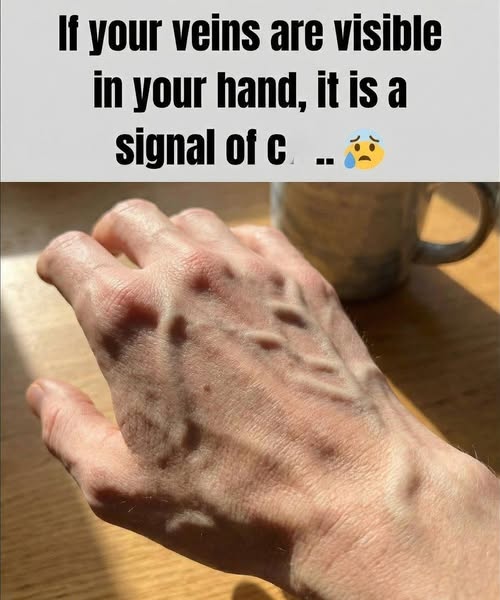
The human circulatory system is a remarkable feat of biological design, an extensive network of vessels working nonstop to deliver oxygen-rich blood throughout the body. Among these, veins serve a vital function: returning deoxygenated blood back to the heart. For many people, veins are not merely internal features—they are visible beneath the skin as delicate blue, green, or purple lines. While noticing prominent veins can sometimes trigger concern or self-consciousness, in most cases it’s a normal and healthy aspect of physiology. The degree to which veins are visible is influenced by genetics, lifestyle habits, environmental conditions, and the natural effects of aging.
One common reason veins appear more noticeable is the body’s response to physical demands or external conditions. During exercise, muscles require extra oxygen and nutrients, causing blood flow to increase. This triggers vasodilation—the widening of veins—to accommodate the return of blood to the heart. Temperature also affects vein visibility: in warm environments or hot baths, blood moves closer to the skin to release heat, making veins more prominent. Individuals with low body fat or well-developed musculature may notice this effect more clearly, as there is less tissue to obscure the vessels. In these situations, visible veins are a sign of an efficient and active circulatory system in action.
Beyond temporary triggers, aging plays a major role in how veins appear. Over time, the skin loses collagen and elastin, proteins that maintain thickness and elasticity. Thinner, more translucent skin allows veins to be seen more easily, especially on the backs of the hands, forearms, and feet. Genetics also factor in: some people naturally have fairer or thinner skin, which makes underlying vessels more apparent, and this trait is usually harmless.
While most visible veins are purely cosmetic or temporary, certain changes can reflect the state of venous health. Veins contain one-way valves that prevent blood from flowing backward. When these valves weaken or fail—often due to prolonged standing, pregnancy, or aging—blood can pool, causing veins to swell and twist, forming varicose veins. Unlike the smooth veins seen with exercise or thin skin, varicose veins are bulging, rope-like, and can be accompanied by heaviness, throbbing, or discomfort, particularly in the lower legs.
Lifestyle factors also influence vein health. Extended periods of sitting or standing limit the effectiveness of the “calf muscle pump,” the muscle contractions that help push blood upward. Smoking and excess weight can further strain veins, while hormonal changes from pregnancy or menopause may relax vein walls, increasing visibility and susceptibility to varicosities.
Supporting vein health often involves small, consistent adjustments to daily routines. Movement is crucial: walking strengthens the calf muscles, which act as a “second heart” to aid circulation. Those who sit or stand for long periods should take regular breaks to stretch, flex the ankles, or walk. Elevating the legs above heart level while resting can also assist blood flow. Staying hydrated is important too, as dehydration can thicken blood and make circulation less efficient.
In addition to lifestyle changes, therapeutic interventions can help manage veins. Compression stockings apply graduated pressure, supporting vein walls and assisting valve function. For cosmetic or symptomatic concerns, minimally invasive procedures such as sclerotherapy or laser treatments can reduce the appearance of spider or varicose veins. Regardless of the approach, the main goal should always be to maintain circulatory efficiency and alleviate discomfort.
It’s also essential to recognize warning signs that warrant medical attention. Sudden leg swelling, persistent pain, or warmth and tenderness near a vein may indicate conditions like deep vein thrombosis (DVT) or phlebitis. Changes in skin color, persistent dryness, itchiness, or slow-healing sores around veins can suggest chronic venous insufficiency. Early recognition and care prevent minor issues from becoming more serious.
Ultimately, veins are a testament to the body’s continuous, intricate work. Whether visible from exercise, genetics, or the natural aging process, they play an essential role in circulation. By prioritizing movement, hydration, and thoughtful rest, we can support vein health and overall wellness. Understanding why veins become prominent reduces unnecessary worry and highlights the importance of caring for the body’s vital transport system, ensuring it functions efficiently throughout life.