A great deal has shifted since the 1970s. If a Gen Zer from 2025 were suddenly dropped into 1974 via a time machine, they’d likely struggle with everyday basics—figuring out how to dial a rotary phone, adjusting rabbit ears to get a clear TV signal, or buying concert tickets for Pink Floyd or the Jackson 5 without the internet.
They’d probably also be shocked by how common smoking was, the sheer amount of trash lining the streets, and the casual attitude toward child safety. In some major cities, the heavy smog hanging in the air would be almost unbelievable by today’s standards.
One of the easiest ways to grasp what that era was really like is through movies and television shows set in the period, since visual storytelling can feel incredibly immersive. That said, not every production is particularly concerned with historical accuracy.
Thankfully, that’s not always the case. While preparing a project set in the 1970s, one filmmaker became determined to understand what daily life during the so-called “Me Decade” truly looked like. They asked people who lived through that time to share “habits or behaviors from the ’70s that no longer exist,” and the response was overwhelming—more than 2,400 replies poured in.
Some responses reflected on a freer, largely unsupervised childhood with a sense of nostalgia. Others painted a much darker picture, recalling how children were often exposed to neglect or abuse and were discouraged from speaking openly about their experiences.
After reviewing the discussion, we selected 10 of the most compelling responses highlighting behaviors from the 1970s that have largely faded away today.
1. Playing with the phone cord

“Absentmindedly playing with the long, spiral phone cord during calls—wrapping it around a finger or stretching it out.”
“Our phone had such a long cord you could practically use it as a jump rope.”
“Picking up the phone and greeting the caller with some version of ‘[last name] residence, this is… speaking.’”
2. Tomato + Salt
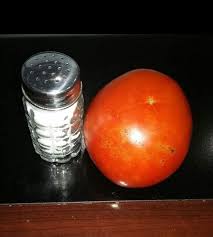
A fresh tomato sprinkled with salt was a common snack in many households, especially during summer. It required no preparation and reflected a culture where food was simple, seasonal, and rarely wasted.
3. The Marathon Bar
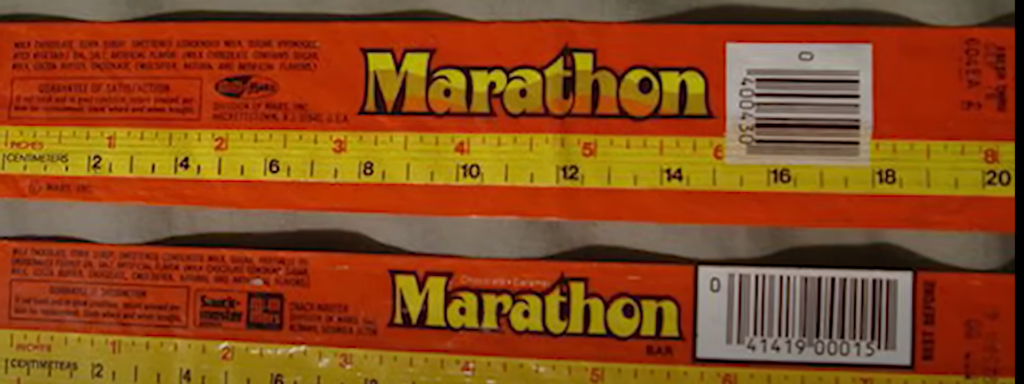
A vintage Marathon Bar wrapper displayed with a measuring tape, highlighting the candy’s famous eight-inch length—an iconic reminder of a time when snacks felt larger, slower, and more memorable.