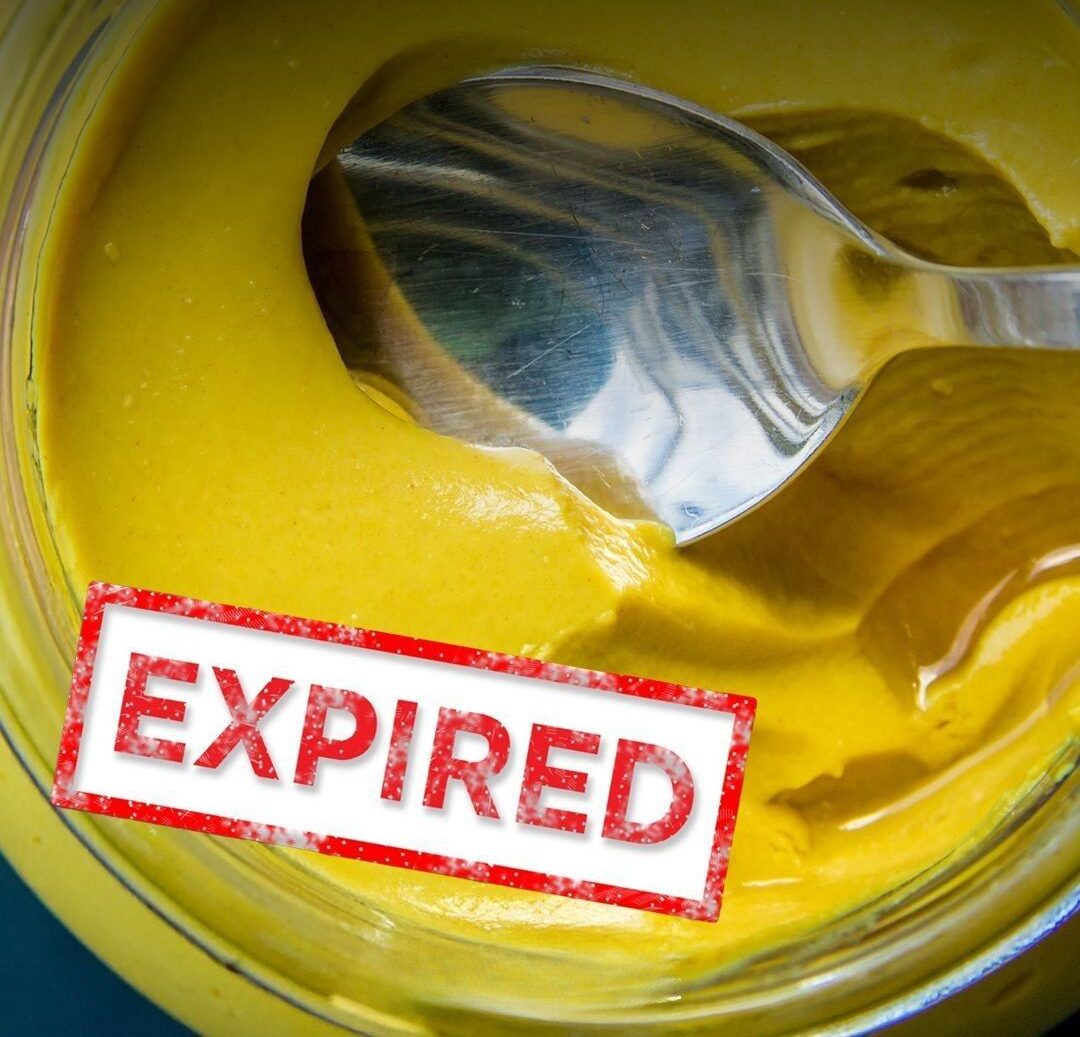
Not every date on a food package is a “use it or die” warning. Food labels can be confusing, but understanding what they mean can save you from unnecessary waste—or a nasty bout of food poisoning.
Here’s what the common labels actually mean:
- Sell-by date: The last day a store should display the product.
- Use-by date: The manufacturer’s estimate of peak freshness.
- Best if used by: When the food tastes and looks its best—not necessarily unsafe afterward.
- Closed or coded dates: Internal codes for tracking, not safety warnings.
Most of these dates aren’t about safety. The FDA even allows most foods to be sold past their printed date—baby formula is one rare exception. And manufacturers aren’t legally required to print dates on most products.
Why Expiration Dates Still Matter
You can’t always trust your eyes or nose. Harmful bacteria often don’t change the way food smells or looks, especially in high-risk items. Eating certain foods past their expiration can seriously increase your chance of illness.
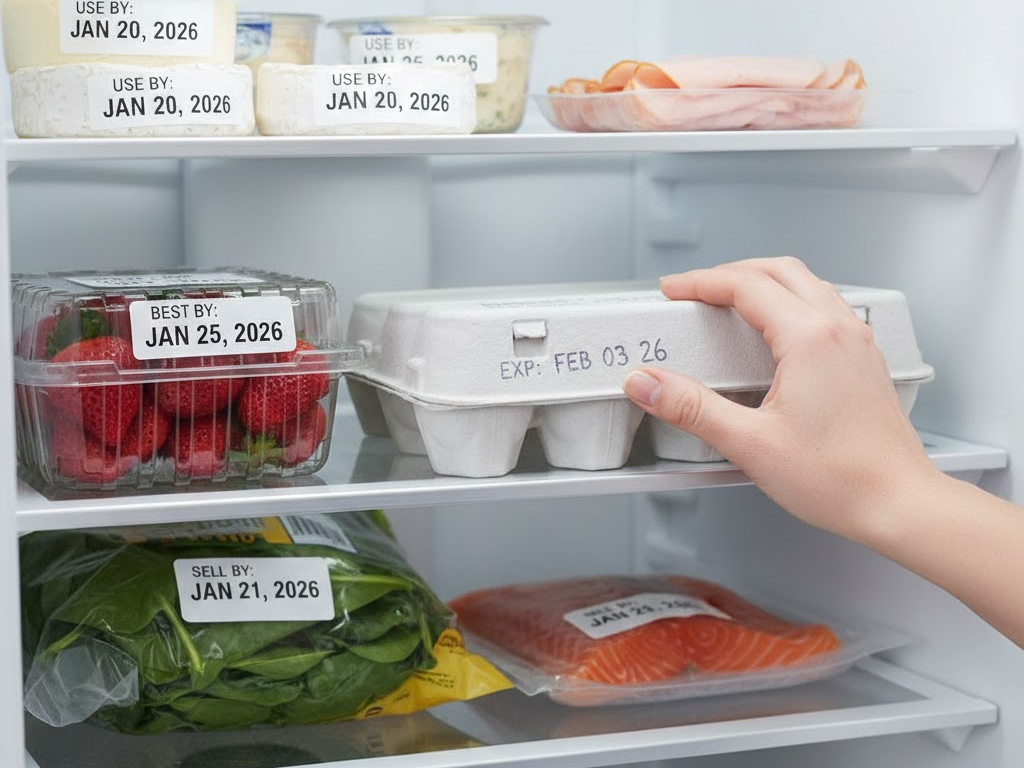
Here are 13 foods you should never eat past their expiration date:
- Egg Substitutes
Liquid eggs go bad fast. Use within 3–5 days of opening; unopened, about 10 days. When in doubt, toss it. - Soft Cheeses
Ricotta, cream cheese, feta, and goat cheese spoil quickly. Once opened, eat within a week—or toss immediately if past the date.
Continue on the next page to see the full list of high-risk foods you should never eat past their expiration!