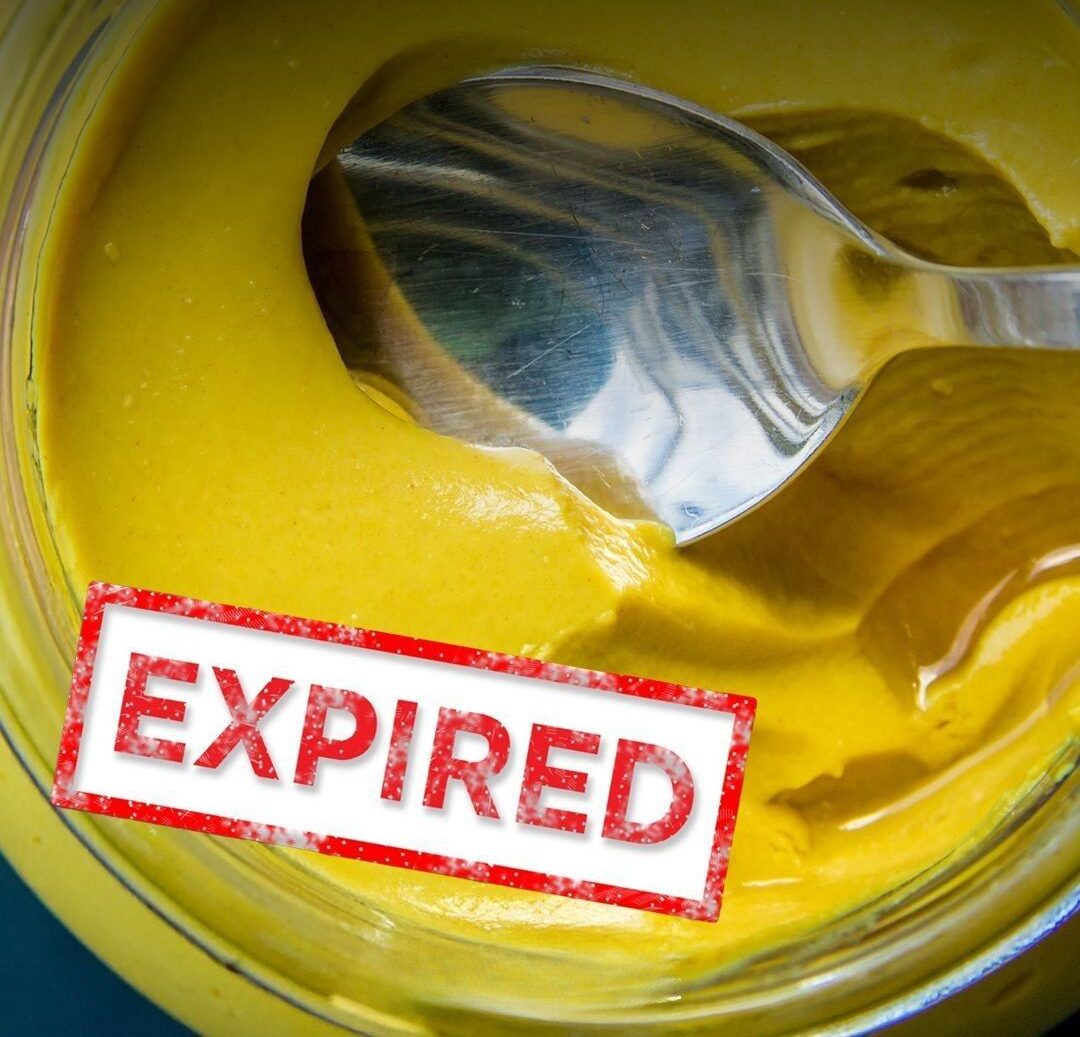
- Jarred Condiments
Ketchup, mustard, and sauces are exposed to bacteria each time you dip a knife in. Watch for separation, mold, or off smells. - Potato & Egg Salads
These ready-to-eat items are bacterial magnets. Don’t risk it—especially if they’ve been sitting in the fridge a day too long. - Cold-Pressed Juice
Unpasteurized juice is a breeding ground for bacteria. Consume within 48–72 hours of purchase. - Fresh Meat
Cook or freeze immediately. Sell-by dates are for stores, not your kitchen. Salmonella and E. coli risk is real. - Ground Meat
Bacteria spreads throughout ground meat, so eat or freeze within 2 days. - Deli Meat
Freshly sliced deli meat lasts 3–5 days; prepackaged versions last a bit longer. Listeria risk makes this one high-stakes. - Fish
Fresh fish should be eaten within 1–2 days. If not, freeze right away in moisture-proof wrap. - Fresh Berries
Raspberries and strawberries last ~3 days; blueberries a bit longer. Bacteria like Cyclospora can lurk on spoiled berries. - Leafy Greens
Even pre-washed greens can carry E. coli. Wash thoroughly and never eat past the date. - Sprouts
Warm, humid sprouts are bacterial goldmines. Eat within 2 days or avoid entirely if pregnant or immunocompromised. - Shellfish
Raw shellfish should be eaten within 24 hours. Any strong odor? Toss it. Vibrio vulnificus is no joke.
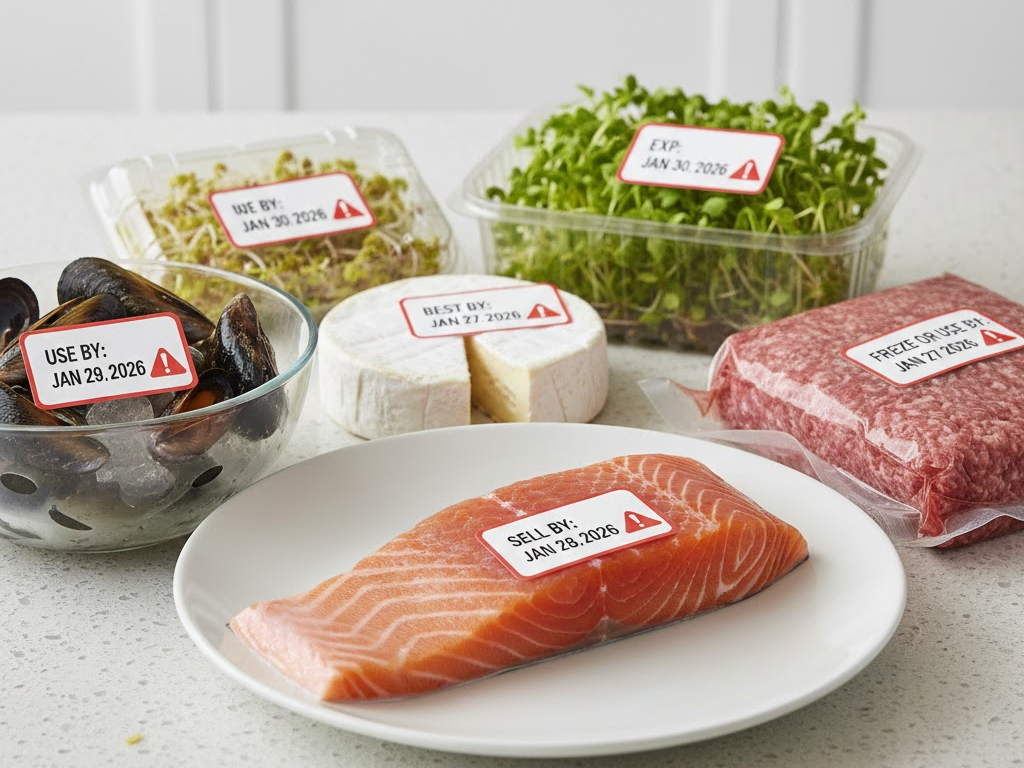
In Conclusion
Expiration dates aren’t just suggestions—they’re warnings for high-risk foods. When in doubt, throw it out. Your stomach (and your health) will thank you.
Keep your kitchen safe—share this guide with friends and family so no one risks food poisoning!