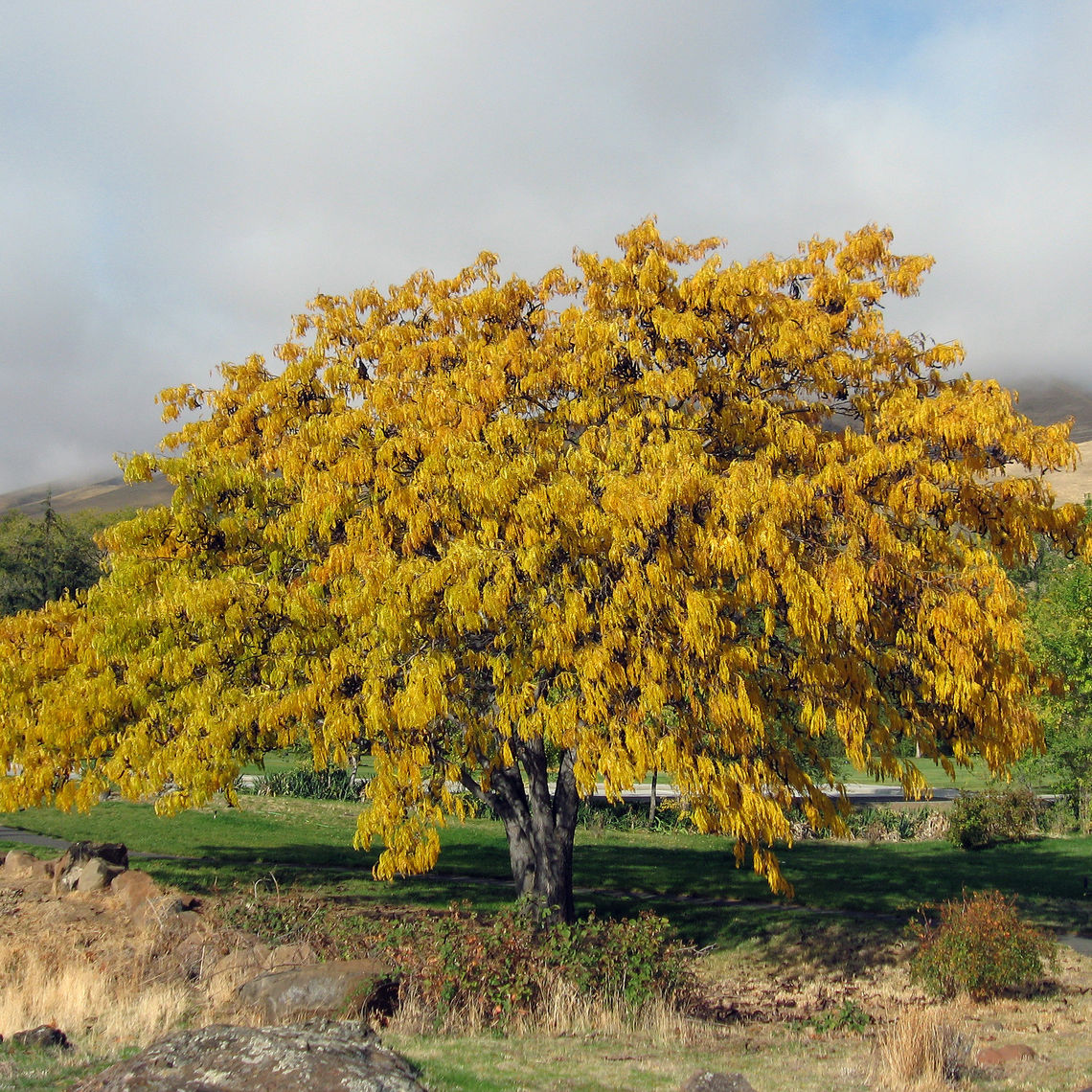
Many people walk past it without noticing: a scraggly tree by the roadside, a patch of shade, and pods scattered on the ground. This is the honey locust—a tree with a long history of practical use and environmental importance.
For generations, the honey locust offered more than shade. Its sweet pods provided a natural source of energy, while its dense wood was used for fence posts, tools, and supports that lasted for decades. Even its bark and leaves could be used for gentle cleaning before commercial products were widely available. The tree thrived in poor soil and harsh conditions, making it a dependable companion in times of scarcity.
Continue reading on next page…