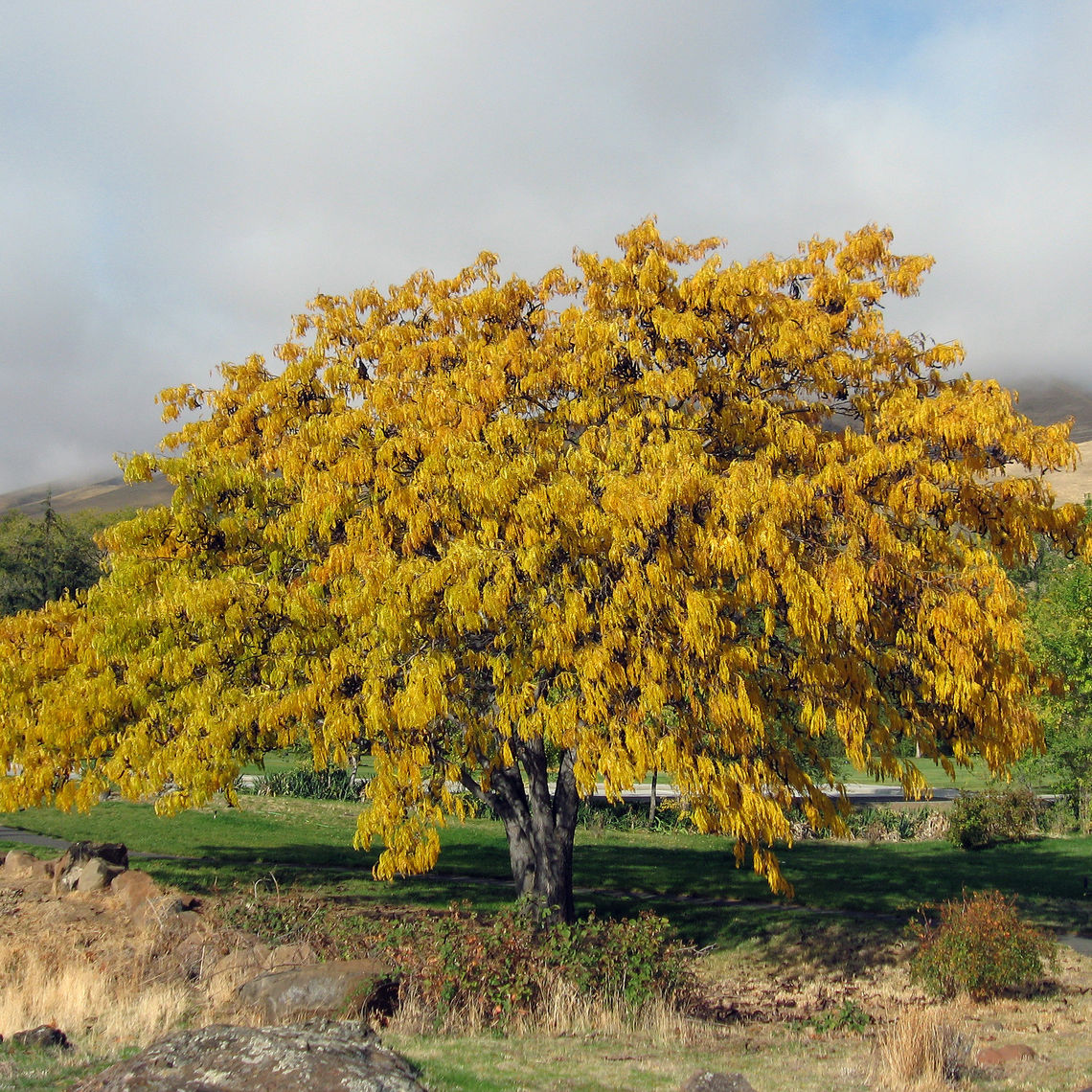
Today, the honey locust continues to provide benefits for both people and the environment. Its roots help stabilize soil, its flowers support pollinators, and its pods serve as food for wildlife during the winter. It can tolerate conditions that many cultivated plants cannot, making it a resilient addition to landscapes and natural areas.
The honey locust’s value is not in being trendy or a “miracle” plant—it lies in its quiet utility. It reminds us that resilience and abundance can exist in overlooked places and that sustainable living often comes from understanding and working with nature rather than trying to control it.
By recognizing the honey locust’s contributions, we can appreciate how ordinary trees and plants can provide food, support ecosystems, and offer practical resources that have sustained people and wildlife for generations.