Your car isn’t just a way to get from point A to point B. For many people, it’s a personal space, a daily necessity, and a place where we expect to feel secure the moment the door closes. Most drivers never question that assumption—until something feels off.
Sometimes, especially with passenger-side doors, unusual behavior isn’t just a simple mechanical hiccup. In rare cases, it can signal a safety concern that deserves attention.
Knowing how to recognize warning signs and respond appropriately can help you avoid accidents, mechanical damage, or even dangerous situations. This guide walks through practical steps to check your vehicle, stay alert, and protect yourself.
Step 1: Examine the Passenger-Side Door Handle
If a door feels stiff, won’t open, or behaves differently than usual, start by inspecting the handle itself. A few common reasons include:
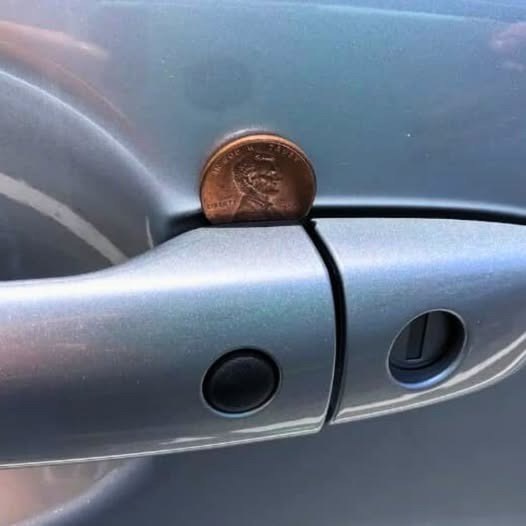
- Foreign objects: Small items like coins, bits of metal, or debris can become lodged in the handle mechanism. While this can happen accidentally, it’s also sometimes used to interfere with locks.
- Normal wear and tear: Springs weaken, latches shift, and parts loosen over time, creating symptoms that resemble tampering.
- Weather-related issues: Temperature extremes can cause components to expand, contract, or freeze, leading to temporary malfunctions.
When checking the handle:
- Look for scratches, tape, or anything out of place near the lock.
- Test the handle gently—never yank or force it.
- If you see an object stuck inside, remove it carefully using gloves or a non-damaging tool.
If nothing is visibly wrong but the door still won’t function properly, don’t ignore it. A malfunctioning lock is both a safety and security concern.
Continue reading in the next page…