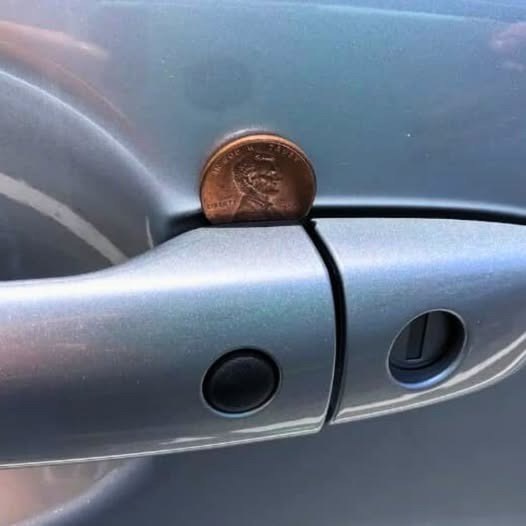
Step 2: Pay Attention to Your Environment
Your awareness matters just as much as your car’s condition. Before unlocking or approaching your vehicle:
- Scan the area: Notice people, movement, or vehicles that don’t seem to belong.
- Listen to your instincts: Feeling uneasy is reason enough to pause and reassess.
- Limit distractions: Avoid scrolling on your phone or wearing headphones.
- Look for signs of interference: Scratches, broken locks, or unfamiliar items can indicate trouble.
Being alert isn’t about fear—it’s about readiness. Simple tools like a flashlight or legal personal safety device can also add peace of mind, especially in low-light areas.
Step 3: Don’t Approach the Car Alone if Something Feels Wrong
If the door appears blocked, damaged, or your surroundings feel unsafe, step away. Especially in garages or quiet parking lots, isolation increases risk.
Instead:
- Move toward a populated, well-lit area.
- Call a trusted person or local authorities.
- Avoid confronting anyone or trying to “check it out” yourself.
- If possible, take photos from a safe distance.
Your safety always outweighs concern for the vehicle.
Step 4: Know Common Door Vulnerabilities
Understanding how doors can be compromised helps you stay proactive. Common methods include:
- Lock manipulation tools: Older vehicles are especially vulnerable.
- Intentional obstructions: Objects placed to jam locks or delay entry.
- Weakened handles: Damage from prior tampering or wear can cause sudden failure.
Routine inspections and locking doors promptly reduce these risks.
Step 5: Smart Habits When Parking or Returning to Your Car
Small habits can make a big difference:
- Choose well-lit parking spots.
- Walk confidently and stay alert.
- Keep your keys ready before reaching the car.
- Glance inside before entering to ensure nothing looks disturbed.
Combining awareness with routine checks lowers vulnerability significantly.
Step 6: Preventive Maintenance Matters
A properly functioning door is part of your personal safety system.
- Lubricate locks and hinges regularly.
- Fix misaligned doors promptly.
- Replace damaged weather seals to prevent moisture buildup.
- If something feels off, have a professional inspect it.
Maintenance issues can quietly turn into security problems if ignored.
Step 7: What to Do in a Suspicious Situation
If you encounter a concerning obstruction or feel threatened:
- Stay calm.
- Keep doors locked until you’re confident it’s safe.
- Call for assistance.
- Move to a safer location.
- Wait for help instead of returning alone.
Practicing these steps mentally helps you react faster when it counts.
Step 8: Awareness Is Preparation, Not Paranoia
You can’t predict every risk, but you can reduce exposure by staying alert and prepared.
Helpful habits include:
- Using your car horn to draw attention if needed.
- Carrying basic safety tools.
- Walking with others at night when possible.
- Reporting suspicious activity early.
Preparedness empowers you—it doesn’t restrict you.
Step 9: Early Warning Signs to Watch For
Potential red flags include:
- Objects near door handles that weren’t there before.
- People or cars lingering without a clear reason.
- Attempts to distract or engage you while blocking movement.
- Marks, tape, or damage around locks.
Noticing these signs early allows you to act before a situation escalates.
Final Thoughts
Your car door isn’t just an entry point—it’s a barrier between you and potential danger. Staying mindful of how it works, how your surroundings feel, and how to respond calmly can help protect both you and your vehicle.
Key reminders:
- Check door handles for interference.
- Stay alert in parking areas.
- Don’t approach your car alone if something feels off.
- Maintain locks and mechanisms regularly.
- Have a plan for unexpected situations.
Being cautious doesn’t mean living in fear—it means taking control of your safety. A small detail, like a jammed handle or unfamiliar object, can be a warning worth taking seriously. When in doubt, prioritize yourself.