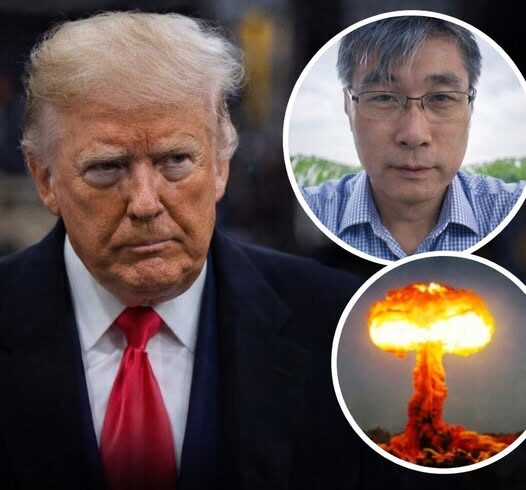
As global tensions continue to shape international headlines, analysts are revisiting what a future conflict between major powers could look like in today’s interconnected world. Rather than focusing solely on short-term military outcomes, many experts are now examining broader economic, technological, and diplomatic factors that could influence the duration and impact of any escalation.
Among the voices contributing to this discussion is Professor Xueqin Jiang, whose strategic commentary has circulated in policy circles. Jiang suggests that if tensions between the United States and Iran were ever to escalate into open confrontation, the situation could potentially evolve into a prolonged and complex standoff rather than a swift resolution.
While this view represents one analytical perspective, it reflects a wider debate among researchers about how modern conflicts differ from those of the past.
The Concept of a Long-Term Strategic Contest
Some defense analysts describe modern geopolitical conflicts as “long war” scenarios. In this framework, success is not determined only by immediate battlefield gains, but by a nation’s ability to sustain economic stability, supply chains, and political cohesion over time.
According to this line of thinking, endurance, resource management, and logistical strength can be as important as military capability. Modern conflicts, they argue, often involve sustained pressure rather than rapid territorial advances.
This shift in analysis reflects how security planning has evolved in recent decades.
Technology and Changing Military Strategies
Today’s defense strategies increasingly incorporate advanced technologies, including unmanned systems, missile defense platforms, cyber capabilities, and distributed communication networks. These tools allow for more flexible operations and broader strategic reach.
At the same time, the integration of technology into military planning has changed how nations think about deterrence and preparedness. Analysts emphasize that modern security strategies often focus on adaptability and resilience rather than traditional force structures alone.
This technological transformation has also reshaped discussions about defense spending and resource allocation.
Continue reading on next page…