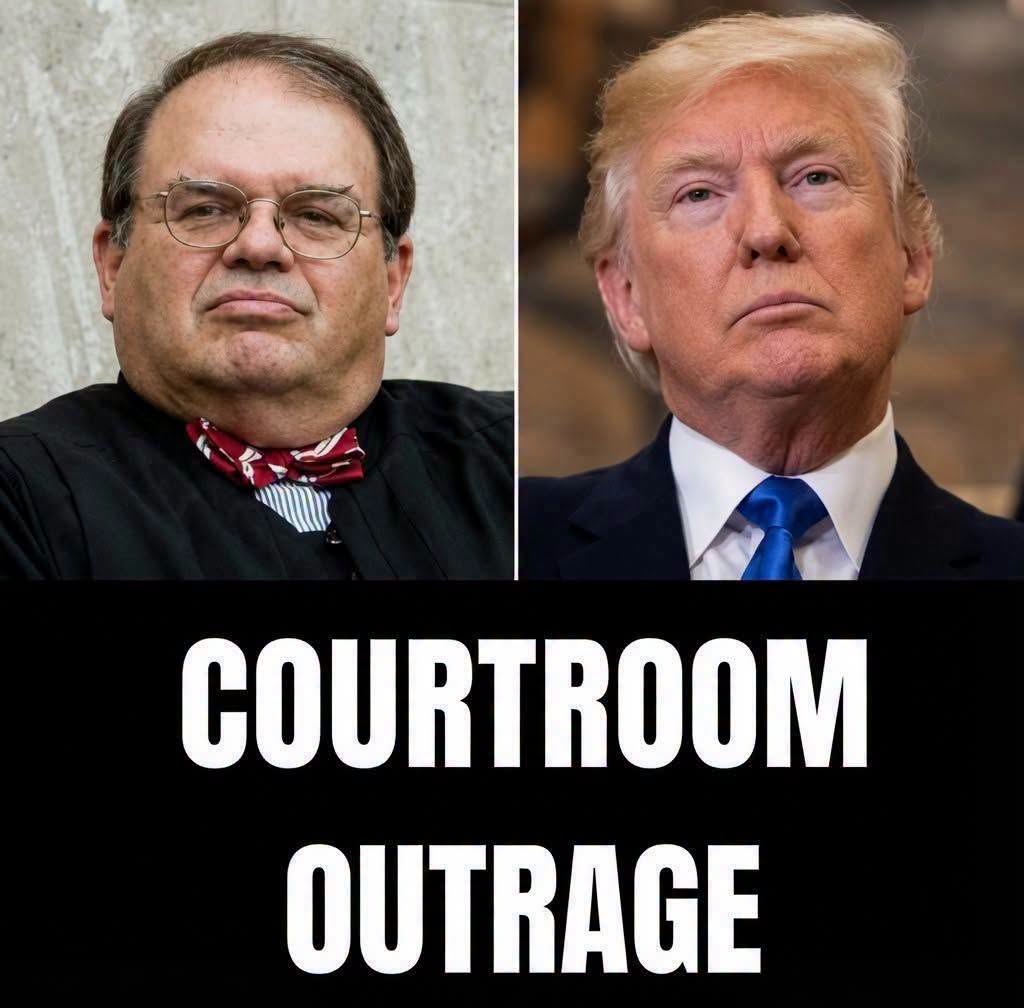
Following the decision, interpretations have varied among different stakeholders, with some viewing it as a significant legal development and others expressing concern about its implications for military administration.
Concerns From Military and Policy Perspectives
Some military and defense observers argue that personnel decisions traditionally fall under executive authority, particularly given the unique requirements of military structure and readiness. From this perspective, changes imposed through judicial rulings may raise questions about operational consistency and administrative flexibility.
They emphasize that the military relies on clear command structures and stable policies to maintain readiness and effectiveness.
Civil Rights and Legal Perspectives
On the other hand, civil rights advocates and legal scholars note that military institutions remain subject to constitutional protections. They argue that policies affecting service eligibility must comply with legal standards of fairness and equal protection.
From this viewpoint, judicial review plays an important role in ensuring that government policies do not conflict with constitutional principles.
Broader Institutional Debate
The ruling has contributed to a wider discussion about the roles of different branches of government. At the center of the debate is how to balance:
- Executive authority in managing military affairs
- Judicial responsibility in reviewing laws and policies
- Constitutional protections for individuals
Legal experts note that this type of tension is not new and has appeared in previous court cases involving military and federal policy decisions.
Policy Stability and Ongoing Changes
Observers also highlight that military-related policies can shift over time due to changes in administration, legislation, or court rulings. These shifts can create challenges for long-term planning and consistency within institutions.
The involvement of the courts adds another layer to this evolving policy environment, as judicial decisions may influence how future regulations are interpreted or implemented.
Looking Ahead
The ruling is expected to move through the appeals process, and further clarification may come from higher courts. In the meantime, the case has become part of a broader national discussion about governance, constitutional law, and the separation of powers.
While opinions differ, many analysts agree that the issue highlights ongoing questions about how best to balance national security priorities with constitutional rights in a changing legal and social environment.