
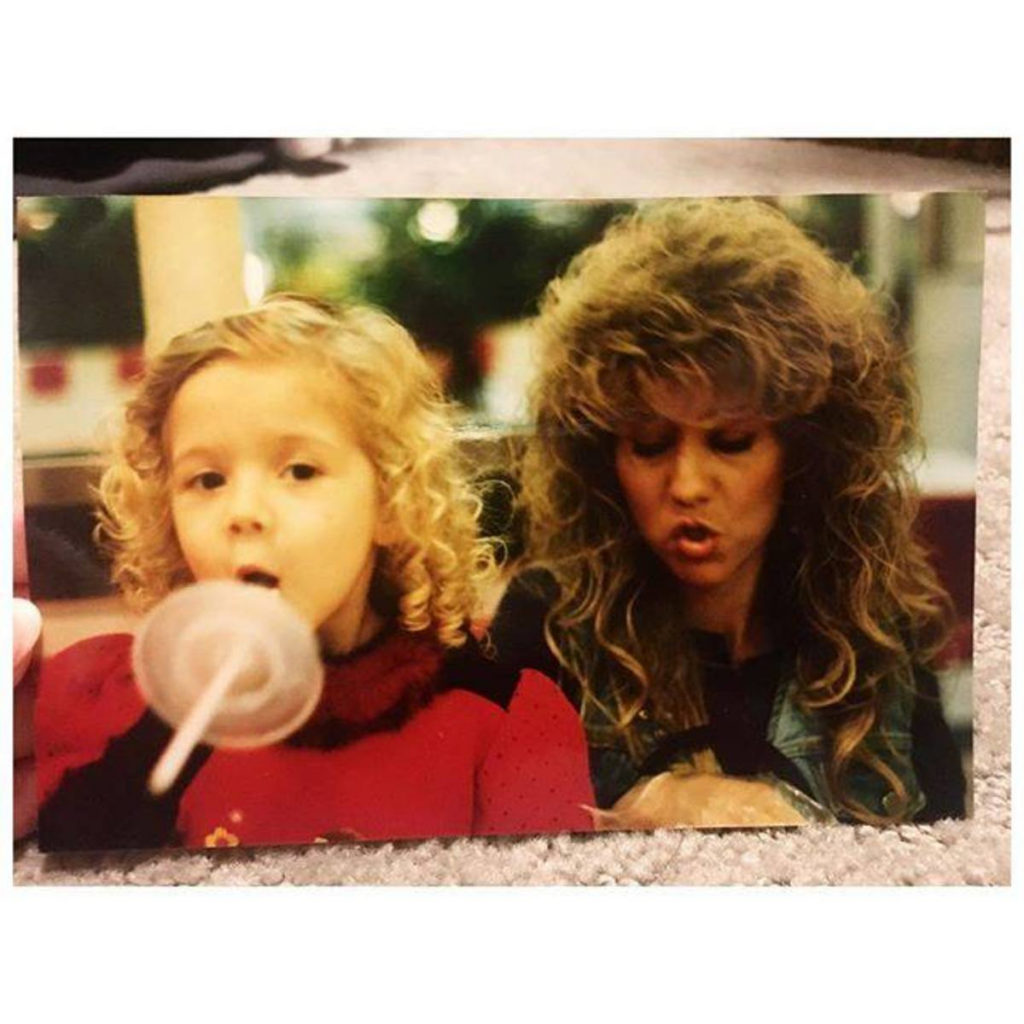
As her acting career developed, McCurdy has described how acting was not purely her own ambition, but something strongly encouraged—and at times pressured—by her mother. She has explained that her family viewed her career as a shared mission, which made it difficult for her to separate personal desire from expectation.
That dynamic, she has said, contributed to a blurred boundary between professional success and personal identity. The demands of child acting, combined with family involvement, created a situation where her career felt deeply intertwined with family hopes and emotional dependence.
Turning Pain Into Creative Expression
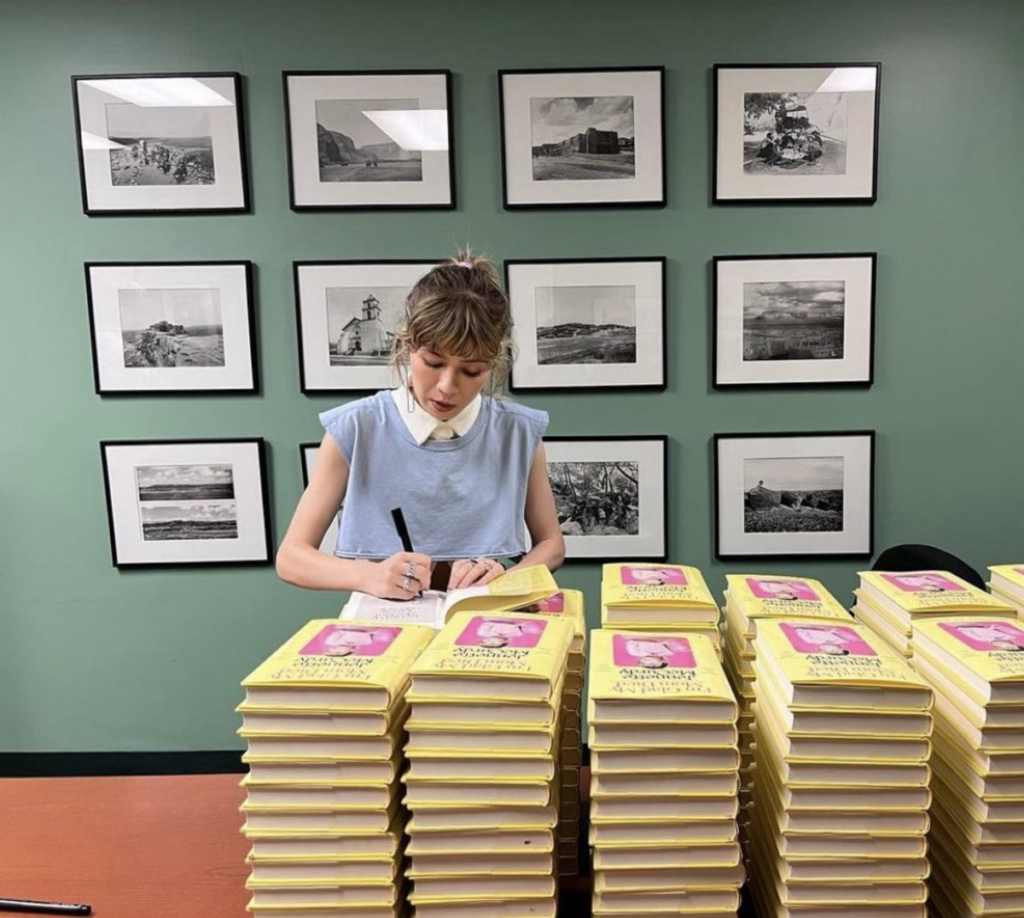
In adulthood, McCurdy began reshaping her experiences into creative work. Her memoir, I’m Glad My Mom Died, became a bestseller and sparked widespread discussion about childhood fame, parental influence, and emotional boundaries.
The book resonated with readers not only because of its title, but because of its candid exploration of difficult topics such as control, emotional pressure, and recovery. It also highlighted how early life experiences can have lasting effects well into adulthood.
The memoir is now being adapted into a television series, signaling continued public interest in her story and its broader themes.
Healing, Therapy, and Rebuilding Identity
McCurdy has shared that her path toward healing involved therapy, self-reflection, and stepping away from the entertainment industry for a period of time. She has spoken openly about the challenges of rebuilding her identity outside of childhood fame and family expectations.
Her journey reflects a broader reality many former child performers face: adjusting to adulthood after growing up in highly structured and high-pressure environments. Recovery, she has emphasized, is not linear but ongoing.
A Story That Resonates Beyond Hollywood
What makes McCurdy’s story widely discussed is not only her career, but the universal themes it touches—family control, personal autonomy, emotional recovery, and the long-term impact of childhood pressure.
Her experiences have contributed to broader conversations about how young performers are supported and protected in the entertainment industry. They have also encouraged audiences to reflect on how unseen family dynamics can shape a person’s development.
Why Her Voice Continues to Matter
Today, Jennette McCurdy is often recognized less as a child star and more as an author and advocate for honest conversations about difficult family experiences. Her willingness to speak openly about pain, growth, and contradiction has made her story especially impactful.
Rather than offering simple answers, she presents a layered narrative about healing, identity, and the complexity of family relationships.
Final Thoughts
Jennette McCurdy’s journey continues to resonate because it goes beyond fame. It highlights the importance of autonomy, emotional well-being, and the courage it takes to confront the past while building a healthier future.
What are your thoughts on how childhood fame affects long-term well-being? Share your perspective in the comments and join the conversation.