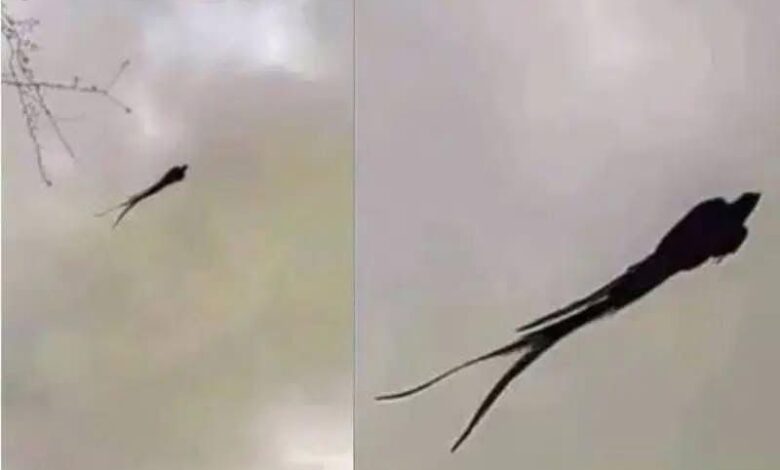
When he launches from a branch into the fog, those feathers ripple through the air, creating the illusion of a green serpent floating through the sky—an image that likely gave birth to ancient myths. The female, more subtly colored in earthy tones, blends into the forest canopy, a master of quiet camouflage while nesting.
Today, the quetzal continues to enchant, even drawing comparisons to mythical or fantasy creatures because of its graceful, almost floating flight. Yet unlike fiction, the quetzal’s existence is fragile. It depends entirely on cloud forests, rare ecosystems where cool mountain air meets tropical moisture. These forests provide the wild avocados quetzals feed on and the old, decaying trees they need to nest.
As deforestation spreads due to agriculture and development, the quetzal’s habitat shrinks. The loss isn’t just environmental—it’s cultural. When these forests disappear, so does a living symbol of freedom and history.
Perhaps the most powerful legend surrounding the quetzal is its association with liberty. For generations, it has been said that the quetzal cannot survive in captivity. While science offers explanations, the symbolism remains strong. The bird became an enduring emblem of freedom, resilience, and dignity—so much so that Guatemala adopted it as a national symbol, featuring it on its flag and naming its currency in its honor.
Conservationists today are working to ensure the quetzal’s future through habitat protection, reforestation, and the creation of wildlife corridors that allow the birds to migrate safely between elevations. These efforts protect not only the quetzal, but entire ecosystems filled with orchids, mammals, insects, and birds that depend on the same forests.
Saving the quetzal means preserving a living chapter of human history and a vital piece of the planet’s biodiversity.
In the end, the Resplendent Quetzal is more than a bird—it is a reminder. A reminder that nature still holds mysteries, that beauty thrives best when left free, and that the bond between humanity and the wild is older than written history. As environmental challenges grow, the quetzal remains a shimmering symbol of what is still worth protecting.
Have you ever seen a quetzal—or learned something new about one today? Share your thoughts below and join the conversation.