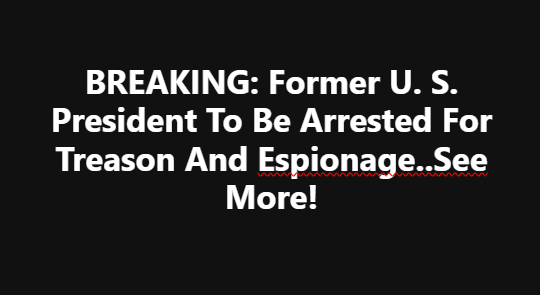
Still, the rumors continue spreading at extraordinary speed.
Experts say situations like this reveal how modern information ecosystems often reward emotional reaction over careful verification. Anonymous “insider” claims, edited video clips, and sensational headlines can rapidly gain traction online long before facts are confirmed. Once a narrative begins circulating widely, repetition itself can make unsupported claims appear credible to audiences already influenced by political division or distrust.
The issue extends beyond any single public figure.
In today’s political environment, stories fueled by outrage frequently travel faster than balanced reporting or official clarification. Social media algorithms often amplify emotionally charged content because controversy generates clicks, comments, and engagement. As a result, speculation can quickly blur into perceived reality for millions of people before journalists or authorities even have the opportunity to respond.
Legal experts also emphasize that accusations involving former presidents or national security crimes require extraordinarily high standards of evidence and transparency. In democratic systems, allegations alone do not establish guilt. Official investigations, public filings, courtroom procedures, and verifiable documentation are necessary before claims can be treated as factual.
That distinction matters deeply, especially during periods of intense political polarization.
Moments like these test the public’s ability to separate rumor from evidence and emotion from verification. They also highlight the growing challenge of navigating information responsibly in an era where unconfirmed stories can dominate public conversation within hours.
For now, no legitimate public evidence supports the viral claims surrounding Barack Obama. Until credible sources provide documented proof or official legal action becomes public record, the allegations remain speculative and unverified.
The larger concern may not simply be whether such rumors are true or false, but how quickly unsupported narratives can deepen division, fuel mistrust, and shape public opinion before facts are fully established.
In an age of nonstop information, critical thinking has become more important than ever.
How do you think people should evaluate viral political claims before accepting them as fact? Share your thoughts respectfully in the comments below.