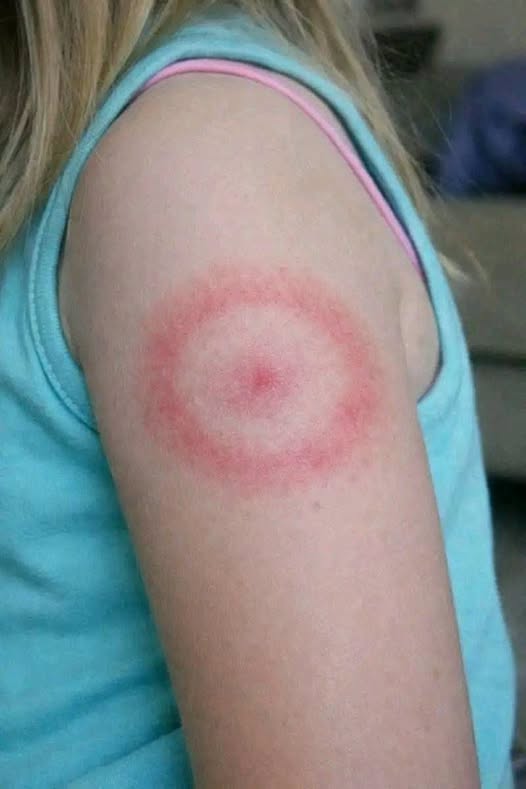
Many common conditions—including insect bites, mild allergic reactions, skin irritation, and certain fungal infections—can cause redness or circular patches on the skin.
The appearance of a rash alone usually isn’t enough to determine the cause.
Observe Your Child’s Overall Health
In addition to looking at the rash, pay attention to how your child is feeling.
Ask yourself:
- Are they eating and drinking normally?
- Are they active and alert?
- Do they have a fever?
- Are they complaining of pain or itching?
- Has the rash changed in size or appearance?
These observations can be helpful if you decide to contact a healthcare provider.
Document Any Changes
Taking a clear photo of the rash can make it easier to monitor changes over time.
If the rash appears to grow, change color, or develop new symptoms, having photos may help your healthcare provider evaluate its progression.
Avoid applying treatments unless recommended by a medical professional, especially if you’re unsure of the cause.
Several Conditions Can Cause Similar Rashes
A circular or ring-shaped rash may have several possible causes.
Depending on the situation, possibilities may include:
- Insect bites.
- Mild skin irritation.
- Fungal infections such as ringworm.
- Allergic reactions.
- Other skin conditions that require medical evaluation.
Because many skin conditions can look alike, an accurate diagnosis is best made by a qualified healthcare professional.
When to Seek Medical Care
Contact your child’s healthcare provider promptly if:
- The rash spreads rapidly.
- Your child develops a fever or appears unwell.
- The rash becomes painful or swollen.
- There is drainage, blistering, or signs of infection.
- The rash follows a known tick bite or another concerning exposure.
- Symptoms persist or worsen despite home care.
If your child has difficulty breathing, severe swelling, or appears seriously ill, seek emergency medical attention immediately.
Trust Reliable Medical Advice
Online information can be useful for learning about general symptoms, but it should never replace a professional medical evaluation.
If you’re uncertain about a rash or your child’s condition, it’s always appropriate to contact your pediatrician or another qualified healthcare provider.
Final Thoughts
Most childhood rashes are treatable, and many are not serious. Staying calm, observing your child’s symptoms, and seeking medical advice when needed are the best ways to ensure they receive appropriate care.
Careful observation and timely communication with a healthcare professional can help provide reassurance and, when necessary, prompt treatment.