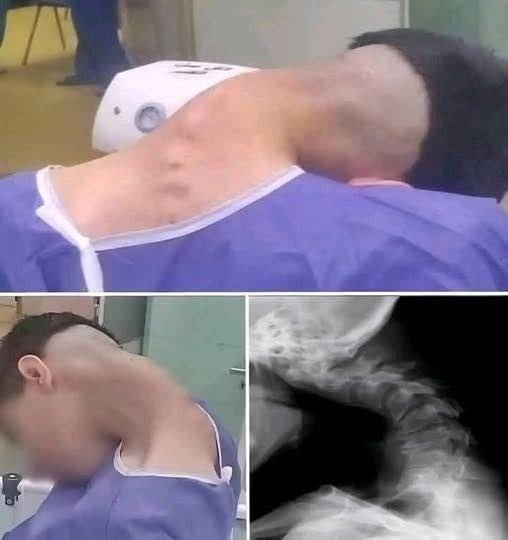
Medical experts increasingly point to modern lifestyle habits as a potential contributing factor to rising musculoskeletal problems. Extended screen time, prolonged smartphone use, and poor ergonomic posture can place continuous stress on the cervical spine.
This forward-leaning position, often referred to as “text neck,” increases pressure on the neck muscles far beyond their normal load-bearing capacity. Over time, this can lead to muscle fatigue, stiffness, and reduced strength. While most individuals experience only mild discomfort, untreated or prolonged strain may, in rare cases, contribute to more severe complications.
Early Warning Signs to Watch For
Healthcare professionals emphasize the importance of recognizing early symptoms before they escalate. Warning signs may include:
Gradual forward tilting of the head that worsens throughout the day
Persistent neck fatigue or difficulty holding the head upright
Reduced flexibility when turning or lifting the head
Tingling, stiffness, or discomfort in the neck, shoulders, or upper back
These symptoms are often mistaken for temporary strain, especially among younger individuals. However, persistent or worsening signs should not be ignored and may require medical evaluation.
Diagnosis and Medical Assessment
Diagnosing Dropped Head Syndrome involves a comprehensive medical approach. Physicians typically use neurological examinations, imaging scans such as MRI or CT, and muscle activity tests to determine the underlying cause.
In the Isfahan case, imaging confirmed significant muscular dysfunction without evidence of major neurological disease or trauma. This allowed doctors to focus on supportive and rehabilitative treatment rather than disease-specific interventions.
Treatment and Recovery Approach
Treatment depends on the severity and underlying cause of the condition. Common approaches include:
Targeted physical therapy to strengthen neck and upper back muscles
Postural correction exercises and ergonomic adjustments
Pain management strategies where necessary
In severe or advanced cases, surgical intervention may be considered to restore alignment and function
Recovery is often gradual and requires consistent rehabilitation, with the goal of improving strength, stability, and quality of life.
Prevention and Daily Habits
Experts stress that prevention plays a key role in protecting spinal health. Simple lifestyle adjustments can significantly reduce the risk of chronic strain:
Maintain proper head and spine alignment during daily activities
Take regular breaks from screens and avoid prolonged forward-leaning posture
Adjust workstations so screens are at eye level
Seek early medical advice for ongoing neck pain or stiffness
Final Thoughts
While Dropped Head Syndrome remains rare, cases like this highlight how prolonged physical strain and modern lifestyle habits can have unexpected and serious consequences. Early awareness, better posture habits, and timely medical attention can make a significant difference in preventing long-term damage.
If you found this article informative, share your thoughts below and join the conversation—your awareness could help someone recognize early warning signs before it becomes serious.