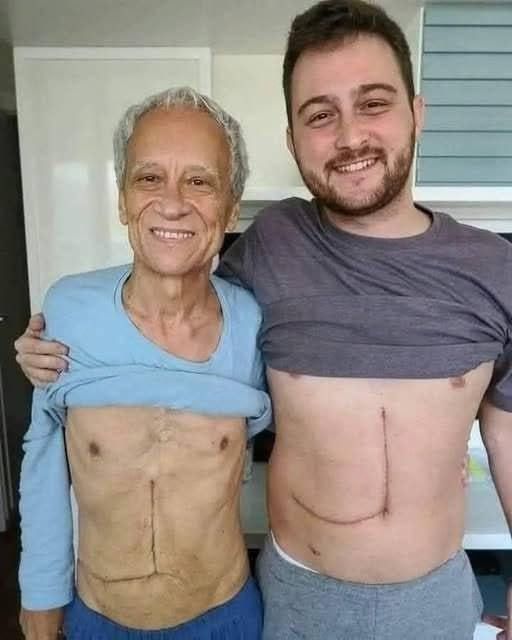
Before any surgery is considered, medical teams carry out detailed physical and psychological evaluations. These tests ensure the donor is healthy enough for the operation and fully understands the risks involved. When a compatible match is found, families often feel a sense of relief and renewed hope.
A Highly Coordinated Medical Procedure
Living liver transplant surgery requires precision and coordination. Typically, two surgical teams work at the same time in separate operating rooms—one caring for the donor and the other preparing the recipient. This approach helps ensure the liver segment is transferred quickly and safely.
In many successful cases, the recipient begins to show signs of improvement within days. Energy levels start to rise, skin color improves, and everyday activities slowly become possible again.
Recovery Takes Time and Patience
Even though the results can be life-changing, recovery is not always simple. Donors often spend time in the hospital and then gradually return to normal routines over several weeks or months.
Doctors closely monitor both donor and recipient after surgery. Temporary challenges such as infections, fluid balance issues, or changes in liver function can occur, but medical teams are prepared to manage these situations. Serious complications are uncommon but carefully watched for throughout recovery.
How the Experience Brings Families Closer
Beyond the medical side, living liver donation often strengthens family relationships. Going through such a major event together can deepen understanding and appreciation among loved ones.
Families frequently rally around the donor and recipient, offering support during hospital stays and recovery at home. In many cases, the experience becomes a defining moment that highlights the importance of connection, compassion, and care.
A Chance to Reclaim Life’s Important Moments
At its core, living liver donation is about giving someone another chance at life. It means more time for milestones, celebrations, and everyday moments that illness once threatened to take away.
It might allow a parent to see their child reach an important milestone, or a grandparent to spend meaningful time with family again. These moments often become the true reward behind the courage of donation.
A Reminder of Human Strength and Compassion
Advances in medicine have made living liver transplants possible, but it is the willingness of people to help one another that truly makes these stories remarkable. They remind us how resilient the human body can be—and how powerful family support can be during life’s toughest challenges.
If this story inspired you, consider sharing it to raise awareness about organ donation and the lives it can help save.