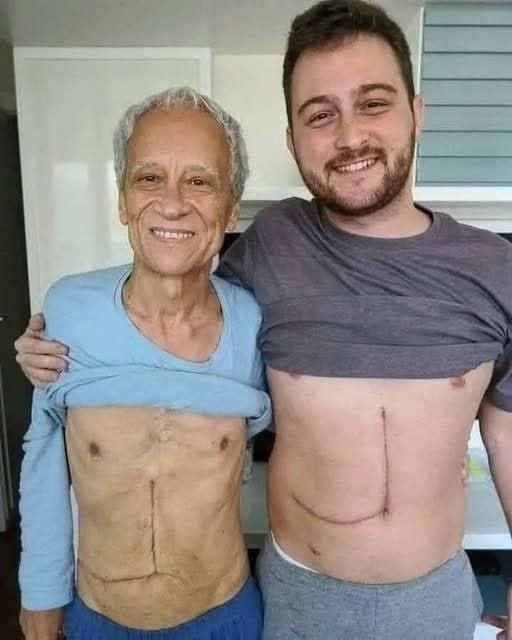
The journey usually begins with careful evaluation. Potential donors go through thorough medical and psychological assessments to ensure they are healthy enough and fully informed. Doctors prioritize safety at every step, making sure the decision is voluntary and well understood. When a donor is confirmed as a match, it can bring a sense of relief and renewed hope to the entire family.
The transplant procedure itself is highly coordinated. Surgical teams work simultaneously to remove the liver segment from the donor and transplant it into the recipient as efficiently as possible. In many successful cases, recipients begin to show signs of improvement within days, regaining strength and stability after a difficult period of illness.
Recovery, however, requires patience. Donors typically need time to heal and gradually return to normal activities. While most recover well, there can be temporary challenges such as fatigue or minor complications that require monitoring. Medical teams stay closely involved throughout the process to ensure both donor and recipient are supported.
Beyond the physical aspect, living donation often strengthens emotional bonds within families. Going through such a life-changing experience together can deepen connections and bring people closer. Support from relatives and friends becomes an important part of the recovery journey, helping both individuals adjust and heal.
At its core, living liver donation is about giving someone a second chance at life. It allows families to share more time together—whether that means celebrating milestones, enjoying everyday moments, or simply being present for one another.
While medical advancements make these procedures possible, it is the willingness to help that truly defines them. Stories like these highlight not only the progress of healthcare but also the enduring strength of human relationships.
What are your thoughts on living organ donation? Share your perspective in the comments and join the conversation.