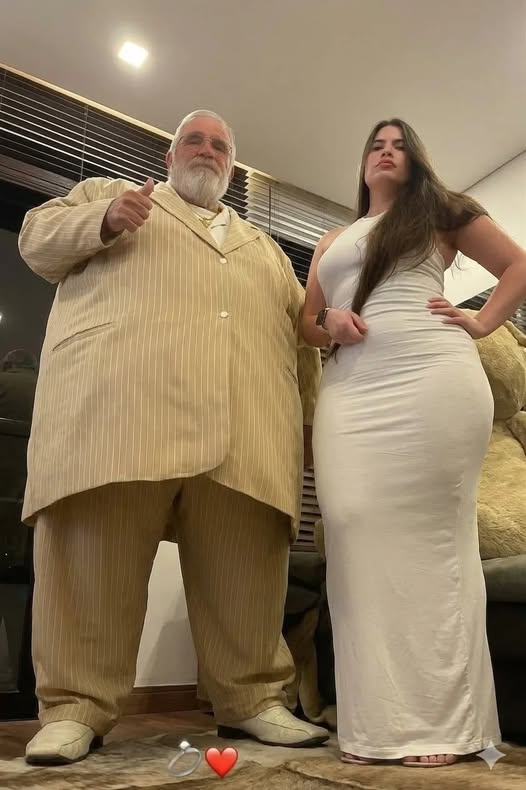
Gradually, the markers of wealth faded into the background, not because they disappeared, but because they stopped being the center of attention. Expensive surroundings became ordinary. What once felt like a dream setting turned into just another environment.
What remained meaningful was far simpler.
A hand reaching for hers without an audience. Conversations that stretched long after there was anything important left to say. Shared laughter over imperfect meals, unplanned evenings, and routines that didn’t need to impress anyone. The kind of connection that doesn’t demand proof, because it already exists in the quiet spaces between words.
She didn’t walk away from wealth. She simply stopped allowing it to define the shape of her relationship.
That distinction changed everything.
Because in choosing emotional clarity over external validation, she disrupted a narrative many people never question—that success must always look like accumulation, visibility, and approval.
Her choice suggested something different: that stability isn’t always loud, and love isn’t always measured in what it provides materially.
Sometimes it’s measured in how safe you feel when nothing is being offered at all.
In the end, the story wasn’t about rejecting a lifestyle. It was about redefining what it means to feel at home with another person—without needing the world to agree that you made the “right” choice.
If anything, it leaves a quiet question behind: how much of our idea of “the perfect life” belongs to us… and how much of it belongs to everyone watching?