
When situations involve uncertain circumstances, investigators rely on multiple forms of evidence before reaching conclusions.
These often include:
- Witness interviews
- Digital communications
- Phone and location records
- Surveillance footage
- Medical examinations
- Laboratory and toxicology testing
Each element contributes to a broader understanding of what occurred.
Officials stress that thorough investigations take time because every detail must be verified before findings can be released publicly.
The Importance of Avoiding Speculation
Cases that attract public attention often generate rumors, assumptions, and online theories long before facts are fully established.
However, legal experts caution that early speculation can be misleading and may complicate investigations.
Authorities generally encourage the public to allow investigators to complete their work while respecting the privacy of everyone involved.
Accurate information is essential, particularly when events remain under active review.
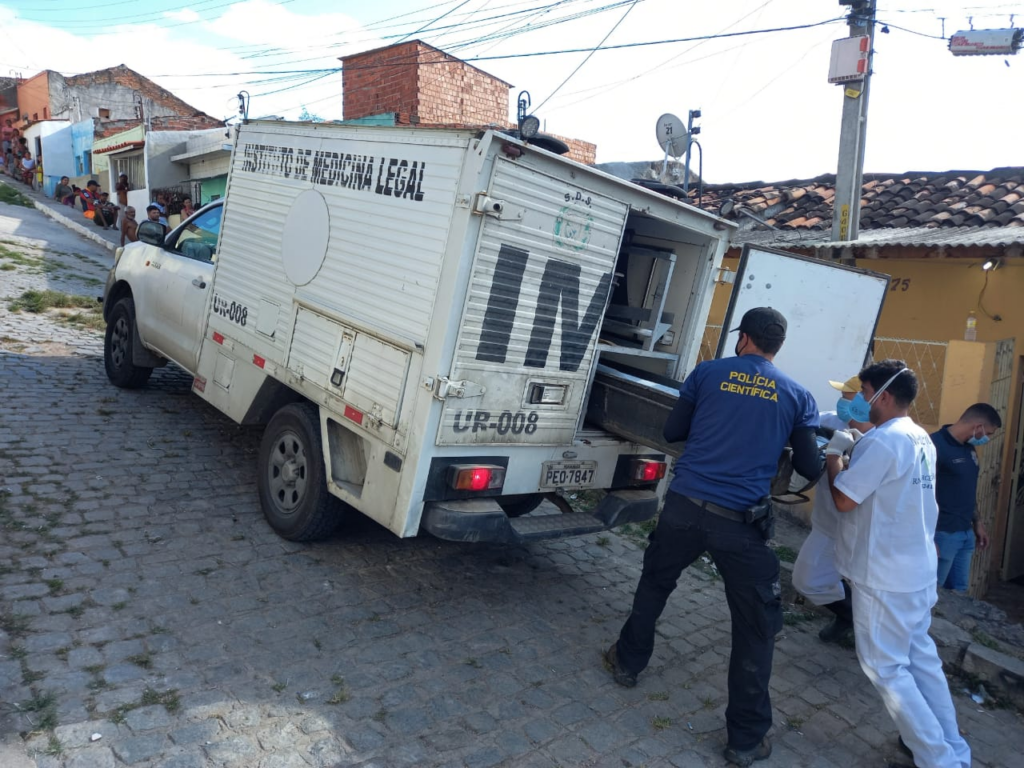
The Larger Conversation About Social Safety
Incidents like this often spark broader discussions about safety in social environments.
Whether gathering with close friends or newer acquaintances, people naturally rely on a degree of trust. Most social interactions occur without incident, but situations involving unfamiliar environments, impaired judgment, or limited awareness can sometimes create unexpected risks.
As a result, many experts encourage a balanced approach that combines social freedom with practical safety awareness.
Understanding the Role of Alcohol
Alcohol is commonly present at social gatherings and celebrations.
While many people consume alcohol responsibly, experts note that it can affect decision-making, awareness, communication, and physical well-being.
Understanding personal limits and remaining attentive to changing circumstances can help individuals make informed choices during social events.
Health professionals often recommend moderation, awareness, and staying connected with trusted friends when alcohol is involved.
Practical Ways to Stay Safer During Social Events
Safety does not require fear—it simply involves preparation and awareness.
Experts often recommend several simple precautions:
Share Your Plans
Let a trusted friend or family member know where you’ll be and who you’ll be with.
Plan Transportation in Advance
Arrange a safe way home before the event begins.
Keep Communication Open
Ensure your phone remains charged and accessible throughout the evening.
Stay Aware of Your Surroundings
Pay attention to your environment and how you feel physically and emotionally.
Trust Your Instincts
If a situation feels uncomfortable or unusual, don’t ignore those feelings.
These small steps can add meaningful layers of protection without limiting personal independence.
Looking Out for One Another
One of the most effective safety measures is mutual support.
Friends who check in with one another, stay connected throughout the evening, and ensure everyone gets home safely help create safer social environments for everyone involved.
Experts often describe safety as a shared responsibility rather than an individual burden.
Simple acts of awareness and communication can make a significant difference.
Supporting Families and Communities During Difficult Times
Beyond the investigation itself, incidents like this can have a profound emotional impact on families, friends, and communities.
While authorities focus on gathering facts, those affected are often left coping with uncertainty, grief, and unanswered questions.
Community members can help by showing compassion, respecting privacy, and avoiding the spread of unverified information.
Responsible responses are especially important while investigations remain active.
Lessons About Awareness and Responsibility
Stories like this often lead people to reflect on how they navigate social situations and what steps can help promote safer experiences.
There are rarely simple answers when unexpected events occur. However, many experts agree that awareness, communication, and thoughtful decision-making remain valuable tools in reducing risk.
The goal is not to create fear, but to encourage informed choices that support both personal freedom and personal safety.
Final Thoughts
As investigators continue working to understand what happened, many questions remain unanswered.
While the facts will ultimately emerge through the investigative process, the broader conversation highlights the importance of awareness, trust, and responsibility in today’s social environments.
Every social gathering involves choices, and small precautions can sometimes make a meaningful difference.
Ultimately, fostering safer communities begins with understanding, communication, and looking out for one another—both during everyday moments and during times of uncertainty.