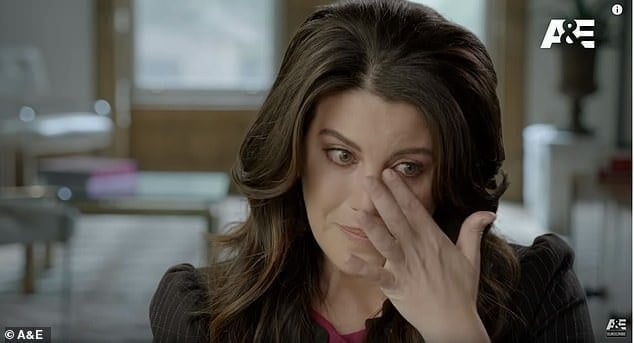
For decades, the name Monica Lewinsky existed in public conversation as shorthand for scandal, controversy, and one of the most heavily scrutinized political stories in modern American history. But in recent years, Lewinsky has steadily reshaped that narrative, using her voice not to relive the past for spectacle, but to examine the lasting emotional consequences of public humiliation and cyberbullying.
In a recent interview, Lewinsky spoke candidly about the long shadow cast by worldwide scrutiny and the emotional toll of becoming the center of a media storm at a young age. Her reflections carried less of the tone of confession and more of someone trying to explain what it means to survive years of ridicule that never fully disappear.
One of her most striking points was that shame rarely vanishes completely.
Instead, she explained, it changes form over time. Public judgment may fade from headlines, but emotional wounds often remain beneath the surface, resurfacing unexpectedly through memories, commentary, or renewed attention from the public. For many viewers, the interview offered a rare reminder that behind globally recognized scandals are real people navigating very human pain.
Lewinsky’s story has also become increasingly relevant in the age of social media.
Long before terms like “online harassment” or “cancel culture” became common, she experienced a level of public exposure and humiliation that many experts now describe as one of the earliest large-scale examples of internet-driven shaming. At a time when digital media was rapidly expanding, private mistakes and deeply personal moments became permanent global content almost overnight.
Keep reading…