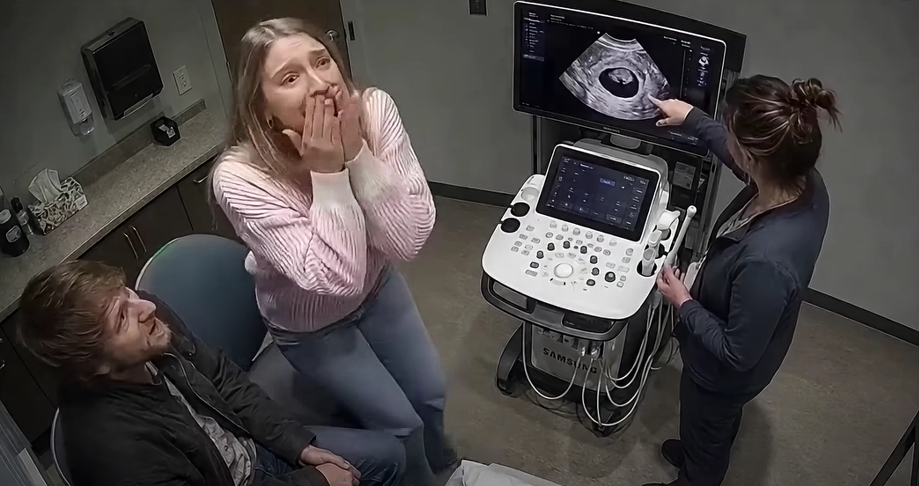
Advances in Prenatal Care
Modern prenatal medicine provides families with access to a variety of screening and diagnostic tools that can assess aspects of fetal development before birth.
These tests can help healthcare providers identify certain genetic or chromosomal conditions, allowing parents to gather information, consult medical professionals, and prepare for possible outcomes.
While many test results provide reassurance, others may lead to additional evaluations or conversations with specialists.
Processing Unexpected News
Receiving unexpected prenatal information can be an emotional experience for expectant parents.
Many families describe feeling a mixture of uncertainty, concern, and hope while learning about medical findings and considering their next steps.
Healthcare professionals often encourage parents to discuss results with qualified specialists who can explain the limitations of screening tests, possible diagnoses, and available support resources.
Understanding Down Syndrome
One condition that may be identified during prenatal testing is Down syndrome, a genetic condition caused by the presence of an extra copy of chromosome 21.
People with Down syndrome can experience a wide range of developmental characteristics and health outcomes, with abilities and needs varying from one individual to another.
Early intervention programs, educational support, healthcare services, and family resources can play important roles in helping individuals with Down syndrome reach their potential.
The Value of Informed Decisions
Every family approaches prenatal information differently based on personal beliefs, medical advice, and individual circumstances.
For many parents, gathering accurate information and speaking with experienced healthcare providers helps them make informed decisions while preparing for the future.
Open communication and emotional support from family members, friends, and medical professionals can also be valuable during this process.
Public Stories Can Raise Awareness
When public figures choose to discuss personal experiences involving pregnancy or prenatal diagnoses, their stories often encourage broader conversations about healthcare, family planning, and disability awareness.
Sharing these experiences thoughtfully can help reduce stigma, promote understanding, and remind others that many families navigate similar situations.
Looking Ahead
Advances in prenatal medicine continue to improve the ability to detect certain conditions before birth, giving parents more opportunities to prepare and access appropriate resources.
At the same time, experts emphasize that every pregnancy and every family experience is unique. Compassion, reliable medical guidance, and informed decision-making remain essential throughout the journey.
Final Thoughts
Jesse Ridgway and his wife’s experience highlights the emotional complexity that can accompany prenatal testing and underscores the importance of accurate information, supportive healthcare, and respectful discussion.
By encouraging understanding rather than assumptions, conversations about prenatal diagnoses can help families feel better informed and more supported as they prepare to welcome a new child into the world.