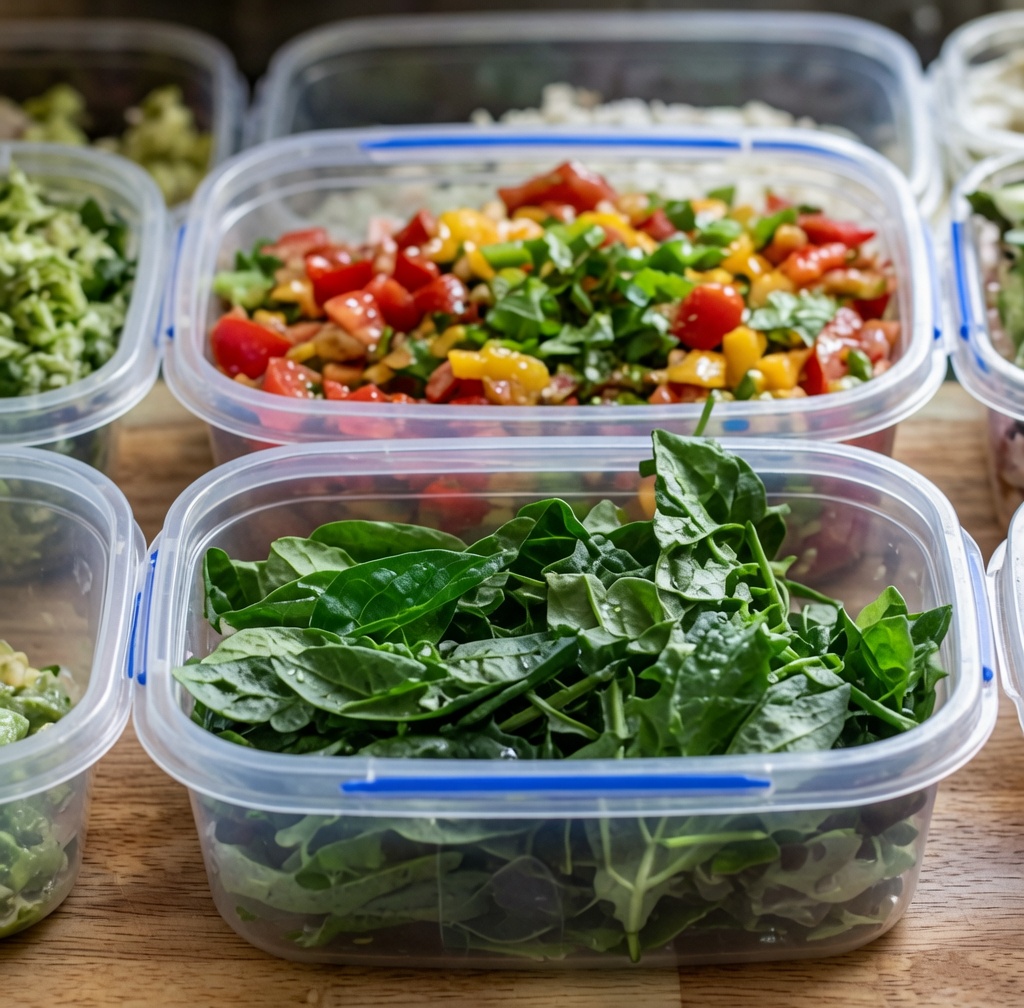
Plastic food containers have become a staple in kitchens around the world. They’re lightweight, affordable, and convenient for storing leftovers, packing lunches, and meal prepping. But in recent years, health experts have encouraged consumers to take a closer look at how these containers are used—especially when it comes to heating food.
The concern isn’t that every plastic container is inherently dangerous. Rather, researchers have been studying certain chemicals used in the production of some plastics, including substances such as bisphenol A (BPA) and phthalates. These compounds have been used in various plastic products for decades, although many manufacturers now produce BPA-free alternatives.
Scientific studies suggest that under certain conditions—particularly when plastic is exposed to high temperatures or becomes worn and damaged—small amounts of these chemicals may migrate into food or beverages. While research is still evolving, many health organizations recommend minimizing unnecessary exposure, especially for pregnant women and young children.
Some studies have explored whether long-term exposure to certain endocrine-disrupting chemicals may affect hormone function. Researchers continue investigating possible links to reproductive health, metabolism, and childhood development. Although not every study reaches the same conclusions, many experts agree that reducing exposure where practical is a sensible precaution.
Keep reading…