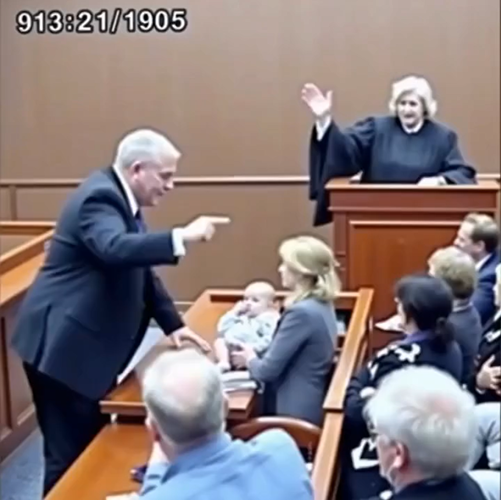
When the judge began reviewing the case, the atmosphere shifted. His calm, deliberate tone immediately commanded attention. He referenced a folder of documents that had been submitted into evidence, noting that they provided a fuller picture of my financial standing and professional involvement than what had previously been presented.
As the judge explained, the records showed that I was not financially dependent, as had been implied earlier in the proceedings. Instead, the documentation reflected my ownership stake in a business I had helped build, along with evidence of my ongoing involvement in planning, decision-making, and operations over many years.
The courtroom grew quiet as the narrative changed. Financial statements, emails, and testimony from long-time associates illustrated the scope of my contributions. These weren’t just supportive roles behind the scenes—they were active, measurable efforts that had helped sustain our family and its ventures.
The judge also acknowledged my involvement in community and charitable work, noting that these activities demonstrated independence, leadership, and stability. His remarks weren’t dramatic or emotional, but they were meaningful. For the first time in the process, the full context of my life and capabilities was being recognized.
Throughout it all, Noah stayed close to me. His small hand in mine was a constant reminder of why I had pushed through the stress and uncertainty. Every document, every late night spent preparing, had been about ensuring a fair outcome—not just for myself, but for him.
At one point, the judge paused to clarify that a lack of traditional employment or public recognition does not equate to a lack of contribution or ability. The statement felt significant, not just legally, but personally. It affirmed something I had known all along but had struggled to have acknowledged.
When the judge concluded that the court would reassess financial and custody considerations based on the newly reviewed information, I felt a quiet sense of relief. This was not the end of the process, but it was an important step forward.
As the hearing adjourned, the tension in the room softened. A few people offered polite nods or brief words of encouragement as we exited. Outside, the sunlight felt brighter, warmer—almost symbolic.
Walking down the courthouse steps with Noah beside me, I felt lighter than I had in months. This moment wasn’t about winning or losing. It was about being seen accurately and treated fairly.
The experience reinforced an important lesson: preparation matters, persistence matters, and telling your story with clarity and honesty can make a real difference. For Noah, I hope this moment becomes part of the example he carries forward—that standing up for yourself can be done with dignity, patience, and strength.
As we headed home, I felt ready for whatever came next. The road ahead was still uncertain, but one thing was clear: my voice mattered, my efforts mattered, and I would continue advocating for my family with confidence and integrity.