Beet juice can be more concentrated than whole beets and may affect blood sugar differently because it contains less fiber. People with diabetes or blood sugar concerns should be mindful of portion sizes and speak with a healthcare professional when needed.
Beets can also temporarily change the color of urine or stool to pink or red. This can be surprising, but it is usually harmless. However, anyone who is unsure about unusual symptoms should always seek medical advice.
People with a history of kidney stones may also need to be cautious because beets contain oxalates, natural compounds found in many healthy foods. In some individuals, high oxalate intake may contribute to kidney stone formation.
Those taking blood pressure medication should also be careful with large amounts of beet juice, since beets may support lower blood pressure in some people. A healthcare provider can help determine what is safe based on individual health needs.
The best way to enjoy beets is simple: add them gradually and consistently.
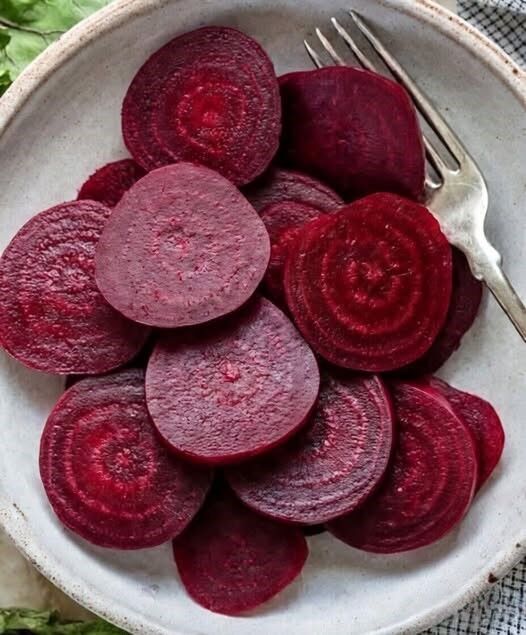
You can roast them as a side dish, slice them into salads, blend them into soups, add them to grain bowls, or pair them with leafy greens, beans, or lean protein. Whole beets are often a better everyday option than relying only on juice because they provide fiber along with their natural nutrients.
In a world full of complicated health trends, beets are a reminder that simple foods can still offer real value.
They are affordable, versatile, nutrient-dense, and easy to include in everyday meals. While they may not be a miracle solution, they can be a smart choice for people looking to support heart health, digestion, circulation, and natural energy.
Sometimes, the most useful foods are not the loudest or most expensive ones.
They are the humble foods that have been sitting in the produce aisle all along.
Have you ever tried adding beets to your meals or drinks? Share your favorite way to enjoy them in the comments below.