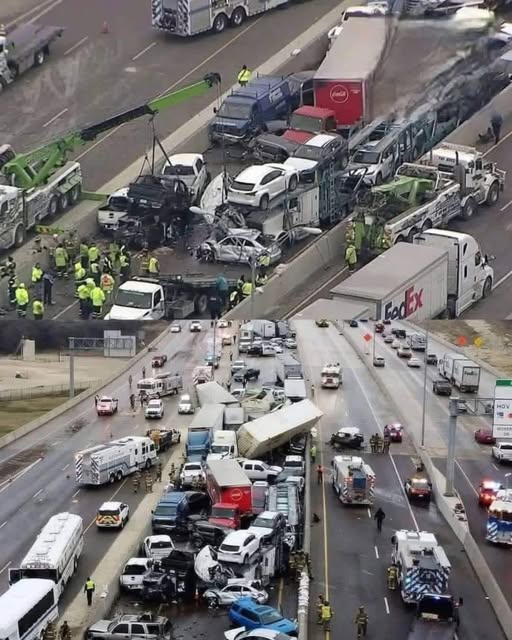
First responders arrived quickly, moving into conditions that were already difficult and rapidly becoming more complex. The scene demanded immediate action, with limited clarity and immense pressure. Rescue teams worked tirelessly, navigating debris, uncertainty, and urgency, doing everything possible to reach those in need.
Despite their efforts and coordination, the severity of the incident meant that many lives could not be saved. The loss was immediate, profound, and deeply personal for every family affected.
As news spread, grief followed in waves. Phone calls, messages, and word of mouth carried the devastating updates from one household to another. Each name confirmed brought with it a story—relationships, futures, and moments that would now exist only in memory.
Authorities quickly secured the area and launched a full investigation. Specialists and officials began working to determine how such a large-scale tragedy could occur. Early assessments suggest that multiple factors may be involved, including technical failure, human error, and possible environmental conditions. However, nothing has been officially confirmed, and investigators emphasize that reaching accurate conclusions will require time and careful analysis.
That investigation is essential—not only to explain what happened, but to help ensure something similar does not happen again.
Witness accounts describe a scene filled with confusion and shock. People who were present recall sudden disruption, moments of disbelief, and immediate attempts to help wherever possible. Some acted instinctively, trying to assist before emergency services arrived, while others struggled to process the scale of what was unfolding in front of them.
For emergency personnel, the experience was equally demanding. Working under extreme pressure, they focused on rescue operations, medical assistance, and securing the area. Even with training and experience, events of this magnitude leave a lasting emotional and psychological impact on those involved.
As the immediate response phase concluded, attention shifted toward recovery and community support. The affected area began to transform into a space of mourning and remembrance. Vigils were organized, candles were lit, and names were spoken aloud as people gathered to share grief and support one another.
In times of collective loss, unity becomes an essential form of strength. While it cannot undo what has happened, it provides comfort and connection in moments of deep sorrow.
Messages of sympathy began to spread widely beyond the local community, reaching national and even international audiences. Social media became a space for condolences, reflection, and shared humanity as people expressed their shock and support for those affected.
Counseling and support services were made available quickly to assist survivors, families, and responders. Mental health professionals emphasized the importance of acknowledging trauma and seeking help during such overwhelming circumstances.
Because tragedies of this scale do not end when the scene is cleared—they continue in memory, in grief, and in the long process of emotional recovery.
In the days ahead, discussions will focus on accountability, safety improvements, and preventative measures. Experts and officials are expected to review systems, identify risks, and propose changes aimed at reducing the likelihood of similar incidents in the future. While those steps are critical, they cannot replace what has been lost.
For the families affected, the impact is permanent. Life is divided into “before” and “after” a moment they never expected to experience. That sudden shift leaves a lasting mark that time alone cannot erase.
As the community begins to heal, the focus remains on honoring those who were lost and supporting those who remain. Their stories, memories, and lives will continue to be remembered—not only in grief, but in the lessons this tragedy leaves behind.
Because while the past cannot be changed, the future can still be shaped by what we choose to learn from it.
If this story moved you, share your thoughts in the comments and stay connected for more meaningful updates and reflections on real-world events.