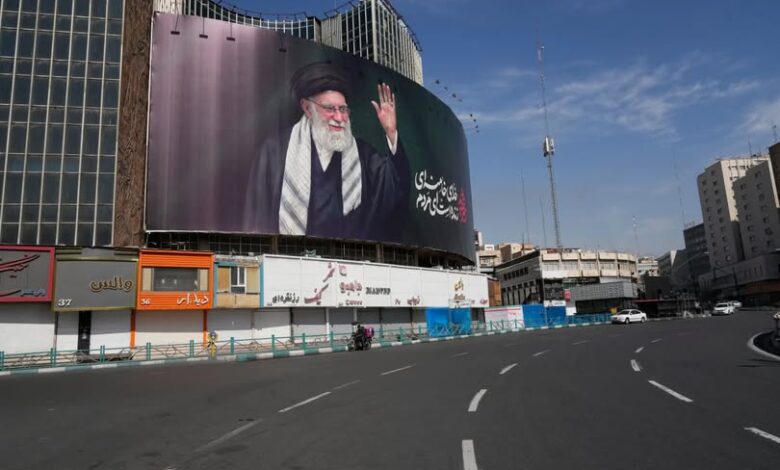
March 5, 2026, marks a week of unprecedented tension as the conflict between the United States and Iran continues to escalate, pushing global politics into uncharted territory. After a weekend of targeted strikes that claimed Iran’s Supreme Leader, the world now faces the looming possibility of a ground invasion—a move that would reshape security in the 21st century.
Washington in Turmoil
The political atmosphere in Washington has reached a boiling point. The House narrowly rejected a war powers resolution aimed at halting President Donald Trump’s military campaign, passing by just seven votes—mirroring a similar Senate vote the day before. This razor-thin margin signals a fractured Congress, divided between caution and support for aggressive action. For now, the administration retains a contested mandate to continue its “maximum pressure” strategy against Iran.
Diplomatic Retreats
On the ground, U.S. embassies in the region are closing. Kuwait became the second American diplomatic post to shutter its doors after Tehran, following Iranian missile and drone strikes that killed six U.S. soldiers. With traditional diplomacy effectively halted, military channels have become the primary line of communication, reflecting how dangerous the Gulf has become in just days.
Air Supremacy and the Next Phase
Israeli military officials report that the majority of Iran’s advanced air defense systems—including S-300 and S-400 batteries—have been neutralized. Cryptic hints about “surprises” suggest upcoming cyber operations or targeted strikes, raising fears about a next, deadlier phase of the conflict: potential American ground forces entering Iranian territory.
Continue reading on next page…