The disaster reshaped engineering practices. Minnesota rebuilt the I-35W Saint Anthony Falls Bridge in record time—less than 14 months—using high-performance concrete, redundant steel supports, and smart sensors that monitor structural stress in real-time. The lessons extended nationwide: bridges now prioritize longevity, redundancy, and continuous monitoring.
Since 2007, the U.S. has made progress, but challenges remain. Structurally deficient bridges nationwide dropped from 12% to roughly 9%, while Minnesota invested $2.5 billion over ten years to repair or replace 172 critical structures. Yet the American Society of Civil Engineers estimates over $120 billion is still needed for nationwide bridge rehabilitation. Engineers now employ advanced modeling, peer review, and targeted inspections to prevent hidden dangers like undersized gusset plates from slipping through.
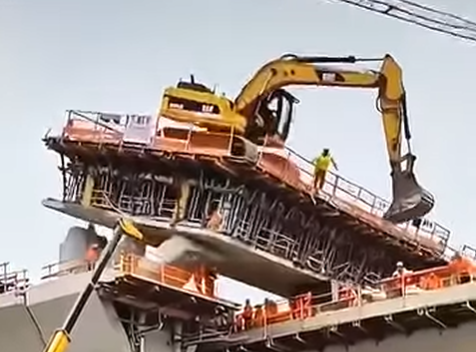
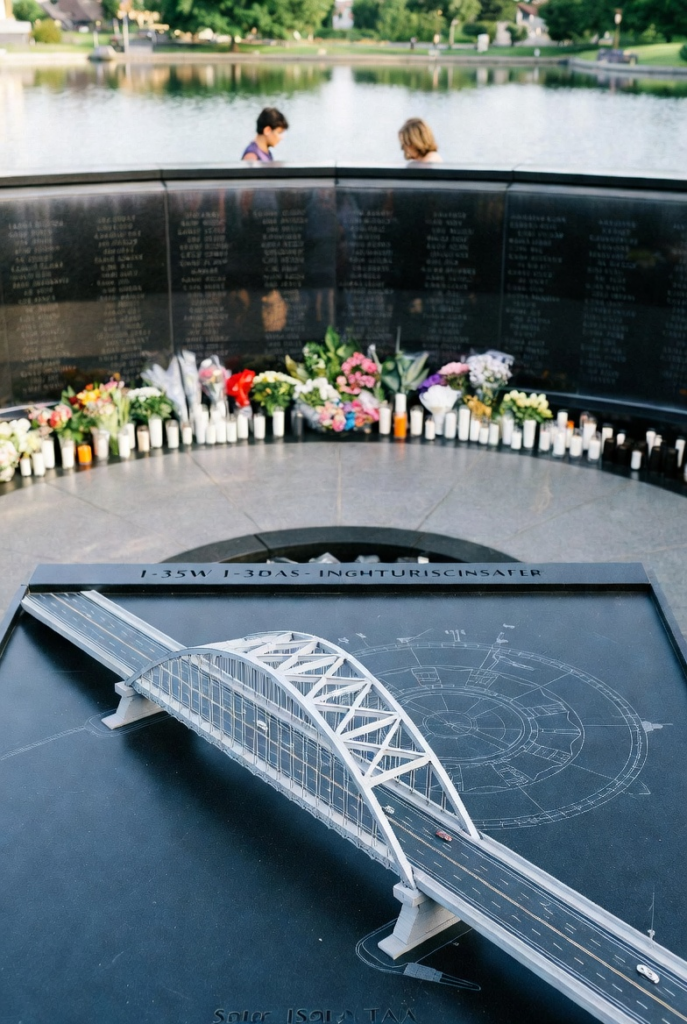
Beyond steel and concrete, the human cost of failure is ever-present. Minneapolis memorials and museum displays honor the lives lost in 2007 and remind policymakers that infrastructure investment is literally life-saving. The recent near miss demonstrates that training saves lives, but it also highlights that prevention remains a national priority.
As traffic loads rise and extreme weather events become more frequent, the integrity of every beam, joint, and weld is non-negotiable. The lessons of the I-35W collapse and the narrow escape on today’s highway converge into one urgent message: vigilance is expensive, but the cost of failure is unimaginable.
Stay alert to infrastructure news and safety updates—follow us for the latest insights on bridges, construction, and public safety.