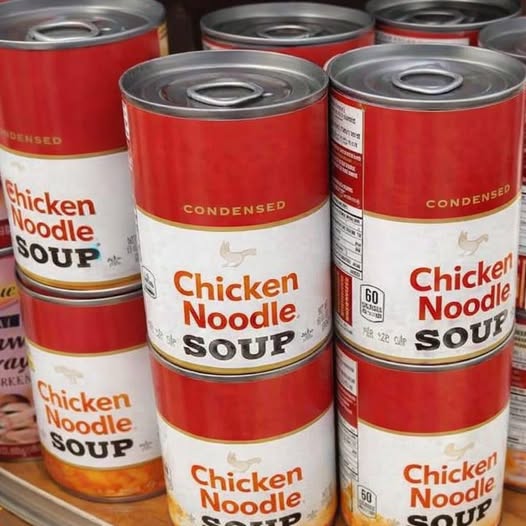
These changes have developed over time and are affecting a wide range of packaged foods—not just soups.
What This Means for Consumers
For many families, canned soup is a convenient and budget-friendly meal option. Even small price increases can influence shopping decisions, especially for those managing tight budgets.
Some shoppers may:
- Compare prices more carefully
- Look for discounts or promotions
- Try store-brand alternatives
Others may continue buying their preferred products due to familiarity and trust.
Which Products Are Affected
The pricing updates may apply across multiple product lines, including:
- Classic condensed soups
- Ready-to-eat varieties
- Other related packaged items
This broader approach reflects the widespread impact of rising production costs.
Balancing Quality and Cost
Food manufacturers aim to maintain consistent taste and quality, even as expenses rise. Adjusting prices is often one way companies manage increasing costs without changing the product itself.
The Role of Inflation
Inflation continues to influence food prices at every stage—from sourcing ingredients to delivering products to stores. These broader economic conditions are a key reason behind many recent price changes.
How Retailers Are Responding
Retailers are also adapting by:
- Offering promotions or bundle deals
- Highlighting value options
- Adjusting product placement in stores
These strategies help maintain customer loyalty while responding to market changes.
Tips for Managing Grocery Costs
As prices shift, consumers can take simple steps to manage their budgets:
- Buy items in bulk during sales
- Use coupons or loyalty programs
- Plan meals ahead of time
- Consider store-brand alternatives
Small changes can add up to meaningful savings over time.
Brand Loyalty vs. Budget
Campbell’s Soup has built strong trust over decades, which often influences purchasing decisions. However, many shoppers are now balancing brand preference with affordability, leading to more thoughtful choices in the grocery aisle.
The Bigger Picture
These pricing updates are part of a broader trend affecting the entire food industry. Many brands are facing similar challenges and making comparable adjustments as they respond to economic pressures.
Looking Ahead
While it’s hard to predict future price trends, ongoing economic conditions will likely continue to play a role. Staying informed and flexible can help consumers adapt more easily.
Final Thoughts
Changes in grocery prices can be frustrating, but they often reflect larger shifts in production and supply chains. Understanding the reasons behind these updates can help shoppers make informed decisions and manage their budgets more effectively.