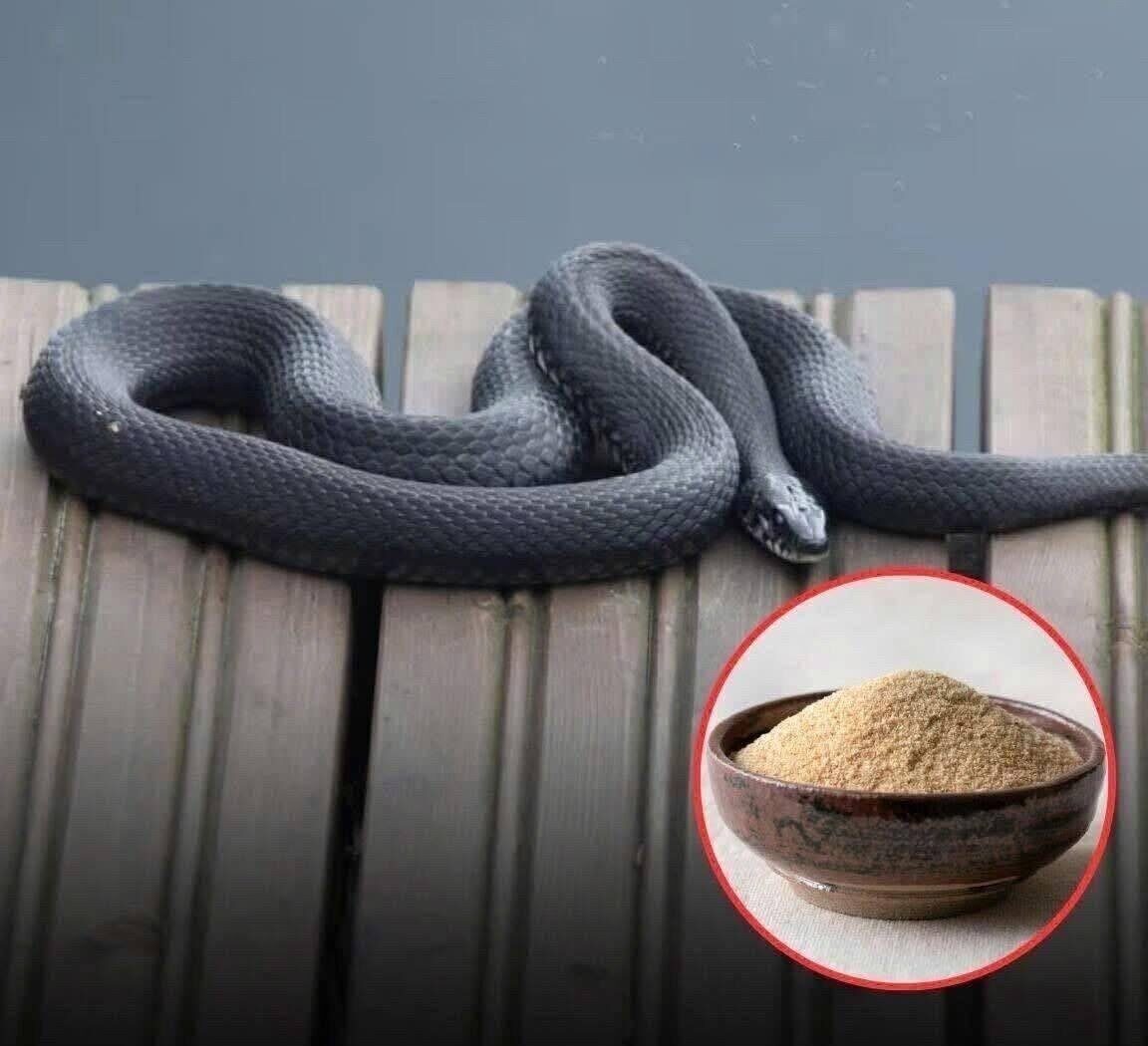
From Ammonia and Vinegar to Cinnamon Oil, Garlic, and Lemongrass, These Seven Strong Natural Scents Are Believed to Help Deter Snakes Around Your Home—While Experts Explain Why No Single Smell Works Permanently, How These Methods Can Be Used Safely, and What Practical Long-Term Prevention Steps Actually Matter Most for Reducing Snake Presence and Keeping Your Surroundings Secure Over Time
Snakes interact with the world in a very different way than humans do. Instead of relying heavily on sight or hearing, they depend primarily on chemical cues in their environment. This means that scent plays a major role in how they navigate, hunt, and avoid danger. Because of this, certain strong odors may temporarily discourage them from entering specific areas around homes and gardens—but the reality is more nuanced than simple “repellent solutions.”
Some commonly discussed strong-smelling substances, such as ammonia, are believed to overwhelm a snake’s sensitive sensory system, making treated areas less appealing. However, this approach comes with important limitations. The effect does not last long because the scent dissipates quickly, and it may also pose safety concerns for pets, wildlife, and people if not handled carefully. For that reason, it should only be considered with caution and never viewed as a long-term or reliable method of control.
Similarly, natural aromatic substances like cinnamon, clove, and other strong essential oils are often mentioned in discussions about deterring snakes. These scents may temporarily disrupt a snake’s ability to interpret environmental signals, especially when applied around entry points such as garden edges, patios, or building foundations. However, their effectiveness tends to fade with weather exposure, rain, and humidity, which makes them inconsistent as standalone solutions.
Keep reading…