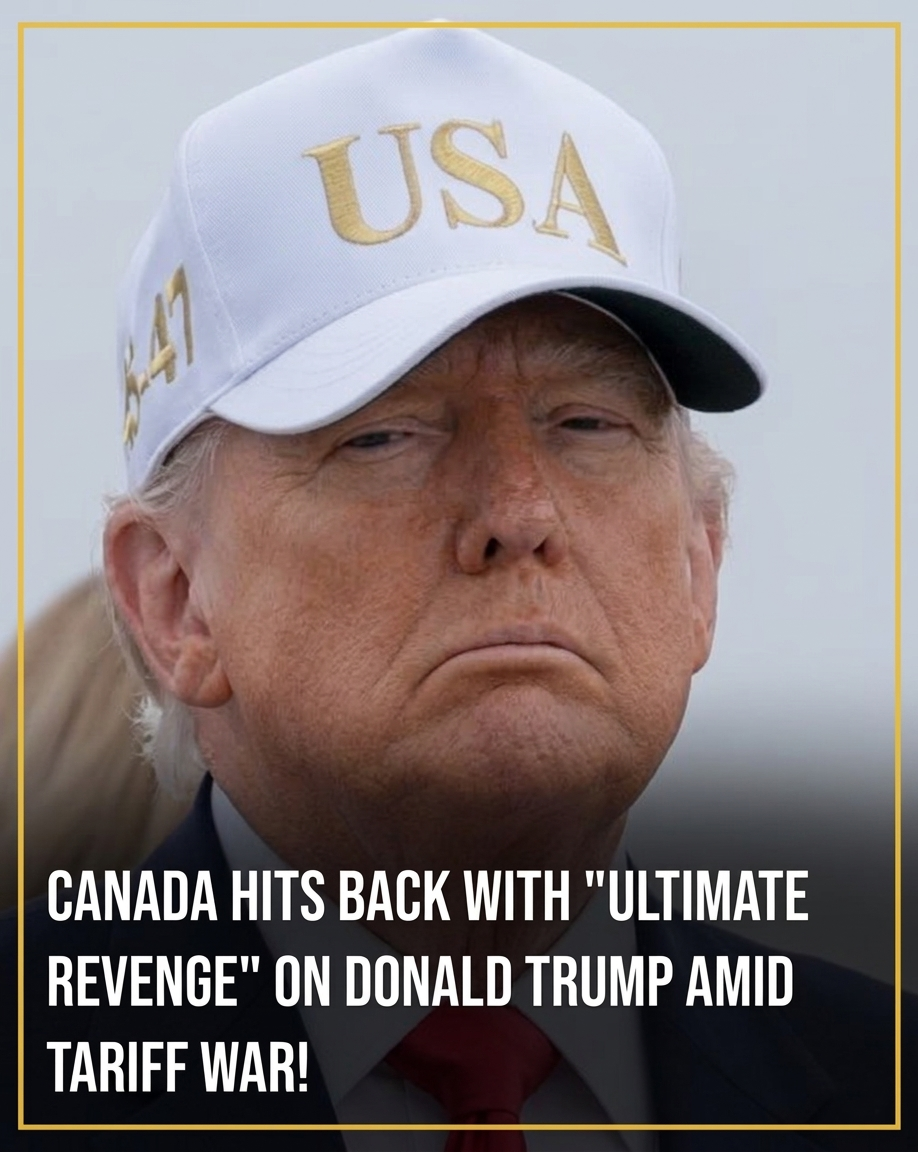
Instead of escalating tensions, Canada appears to be taking a more strategic route. One proposal under consideration involves opening its market to electric vehicle manufacturers from China.
If implemented, this move could bring more affordable EV options to Canadian consumers while reshaping competition within the auto industry.
Rather than confronting tariffs head-on, Canada is focusing on market access—an approach that could influence trade dynamics without direct conflict.
Changes to Vehicle Import Rules
To support this shift, Canada is exploring adjustments to its vehicle import policies. The plan includes lowering tariffs on certain imports while introducing a cap—around 49,000 vehicles—to manage supply.
This balance could make it easier for new players to enter the market while maintaining oversight and stability.
Ripple Effects Across North America
Because Canada and the United States share similar safety and emissions standards, changes in one market can impact the other.
Vehicles approved in Canada could potentially find pathways into the U.S., raising questions about how increased competition might affect domestic manufacturers across the region.
Industry Concerns Grow
Not everyone is optimistic. Industry leaders warn that an influx of lower-cost vehicles could pressure existing manufacturers and disrupt long-standing supply chains.
The challenge lies in balancing affordability for consumers with the protection of local industries—a complex equation with no easy answers.
An Uncertain Road Ahead
The U.S. response remains unclear, with ongoing discussions about trade agreements and potential policy adjustments. Future decisions could reshape economic relationships across North America.
At the same time, Canada has made it clear it’s not pursuing a full free-trade agreement with China, signaling a cautious approach that weighs opportunity against risk.
A Broader Shift in Perspective
Recent remarks from Mark Carney highlight a deeper change in thinking about global systems and cooperation. His comments suggest that traditional frameworks may no longer function as they once did, prompting countries to adapt.
The Big Picture
What’s unfolding is more than a trade dispute—it’s a transformation in how nations approach economic strategy. Tariffs, market access, and global partnerships are all being redefined in real time.
Canada’s approach reflects a careful balancing act: embracing new opportunities while managing long-term risks in an increasingly interconnected world.
💬 Do you think Canada’s strategy is smart positioning or a risky move? Share your thoughts below and join the conversation!