
Erika Kirk has publicly pushed back against Owens’ claims, reportedly meeting with her privately in an attempt to de-escalate tensions. Despite this, Owens has continued to reference the situation, framing it as an example of what she describes as performative messaging and selective outrage within political organizations.
Online reaction has been swift and divided. Some viewers support Owens’ right to question powerful institutions and figures, while others accuse her of fueling unnecessary hostility by amplifying incomplete or misleading narratives. Media analysts note that such controversies often spread rapidly because they combine recognizable public figures, emotionally charged language, and unresolved questions—an environment where speculation can quickly outpace facts.
The episode highlights a broader issue in modern political media: the influence of tone and implication. Even when statements stop short of direct accusations, critics argue that repeated insinuation can shape public perception in lasting ways. Supporters counter that questioning authority is essential, especially within ideological movements that claim to value transparency.
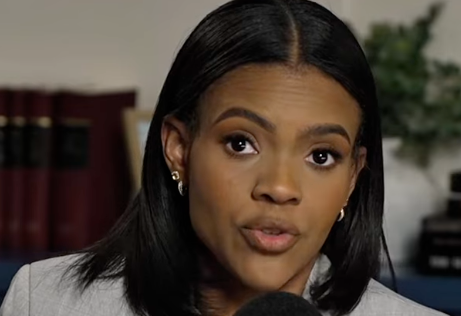
As of now, no evidence supports claims of criminal wrongdoing by Charlie Kirk, Erika Kirk, or Turning Point USA related to the allegations circulating online. The situation remains a case study in how quickly internal disagreements can become public flashpoints—and how easily commentary can blur into controversy.
In an era where political commentary spreads faster than clarification, this moment underscores the growing expectation that influential voices balance critique with care.
What do you think? Where should the line be drawn between asking tough questions and fueling speculation? Join the conversation in the comments below.