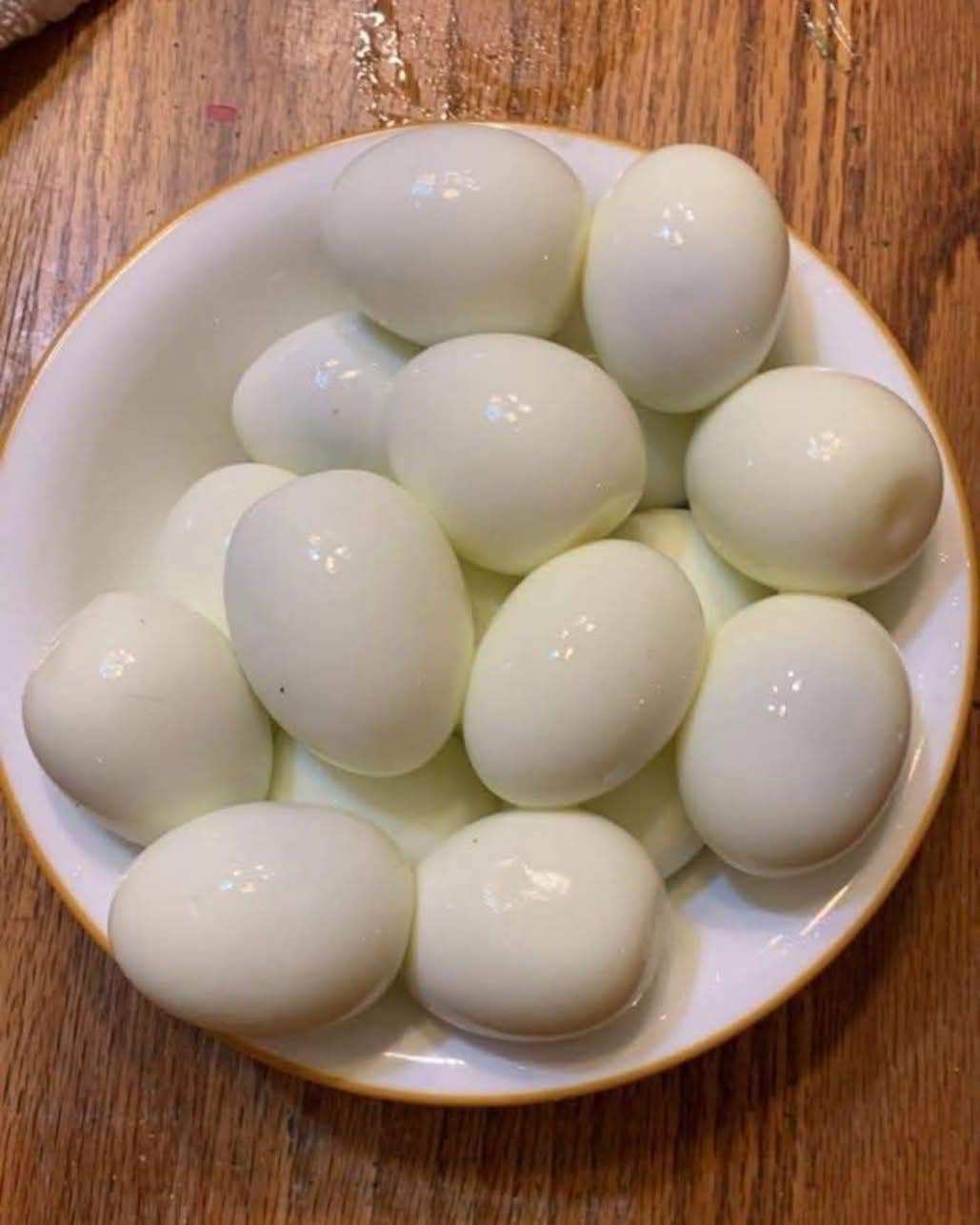
Another common habit is removing the yolk automatically.
Egg whites are an excellent source of protein, but the yolk contains many of the egg’s valuable nutrients, including choline, vitamin B12, vitamin D, lutein, and zeaxanthin. These nutrients support several important functions in the body, including normal brain, eye, and muscle health. Unless a doctor or registered dietitian has recommended otherwise, many people can enjoy whole eggs as part of a balanced eating pattern.
Storage is just as important as preparation. Eggs should be kept refrigerated and used within the recommended period shown on the packaging. Avoid leaving cooked eggs at room temperature for long periods. Washing eggs before storing them may remove their natural protective coating, so it is generally better to clean them only when necessary and just before preparation.
The foods served alongside eggs also deserve attention. Vegetables, whole-grain toast, avocado, beans, or a small portion of fruit can create a more balanced meal than heavily processed breakfast foods. A little olive oil or another suitable cooking fat is usually enough; eggs do not need to float in oil to taste good.
After 50, healthy eating does not have to become complicated. Small choices often matter most. Boil eggs gently, poach them, or scramble them slowly over low heat. Keep the yolk when it fits your dietary needs, watch the added fats and salt, and store everything safely.
Prepared with care, eggs can remain a satisfying, nutrient-rich food that supports fullness, strength, and a balanced lifestyle for years to come.