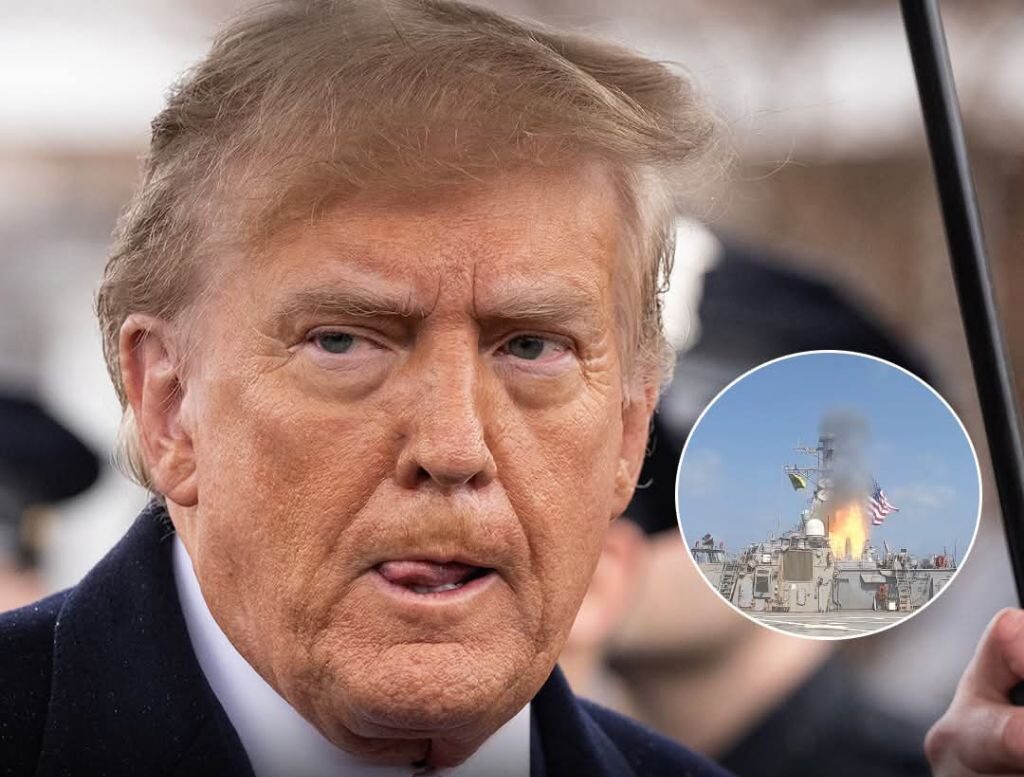
Neighboring countries have expressed concern about the potential for wider instability, particularly given the strategic importance of the Persian Gulf and surrounding territories. International leaders have called for restraint to prevent further expansion of the conflict and to protect civilian populations.
Casualty Reports and Human Impact
Preliminary casualty estimates vary across different sources, and figures continue to be assessed. Humanitarian organizations have emphasized the importance of accurate reporting and the protection of civilians. As in any armed conflict, the human cost remains the most significant concern, with injuries, displacement, and infrastructure strain affecting communities on multiple sides.
Medical systems in affected areas may face increased pressure, highlighting the broader consequences of prolonged military engagement.
The Debate Over Operation Naming
Beyond the battlefield developments, discussion has emerged regarding the name reportedly associated with the campaign. Critics argue that dramatic or symbolic naming conventions can influence public perception and shape the narrative surrounding military actions. Supporters, however, contend that strong branding can communicate resolve and strategic intent.
Experts in international relations note that operation names, while symbolic, often reflect internal messaging goals rather than external diplomacy. In the digital age, such branding can quickly become a focal point of online debate, shaping public conversation across social media platforms.
Political Reactions in the United States
The situation has also prompted debate within U.S. political circles. Some lawmakers express support for a decisive approach aimed at deterring regional threats, while others emphasize the importance of a clear long-term strategy to prevent unintended consequences. Concerns about stability, diplomatic pathways, and post-conflict planning remain central to ongoing discussions.
A Region at a Critical Juncture
As events continue to unfold, international attention remains fixed on efforts to prevent further escalation. Diplomatic engagement, multilateral dialogue, and transparent communication are widely viewed as essential tools in reducing tensions and avoiding broader conflict.
The coming days will likely play a key role in determining whether the situation stabilizes or intensifies further. For now, global leaders and citizens alike are watching closely, hoping for developments that prioritize security, accountability, and peace.
What are your thoughts on how global conflicts are communicated in the digital age? Share your perspective in the comments and join the discussion below.