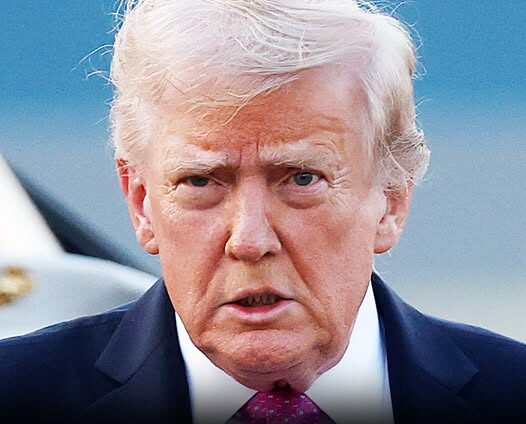
Legal experts caution that the 25th Amendment is unlikely to succeed here. It was intended for clear cases of incapacity, like severe cognitive or physical impairment—not for controversial behavior or impulsive rhetoric. Mark Graber, a constitutional law scholar, explains that political disagreements do not meet the standard for removal. For most scholars, impeachment remains the proper tool for holding a president accountable without bending constitutional definitions.
Meanwhile, international leaders are watching closely. Trump’s comments on Greenland and NATO obligations have unsettled allies, feeding a growing sense of unpredictability in Washington. Even those familiar with Trump’s confrontational style worry about miscalculations or escalations.
Inside the White House, there’s no indication that the vice president or Cabinet members are moving to trigger Section 4. For now, the amendment is more a symbol of outrage than a realistic path forward—but its resurgence in public debate underscores a deeper crisis of confidence in American governance.
This episode isn’t just about one letter, one amendment, or one president. It’s a stark reminder of how fragile the lines of trust, competence, and constitutional responsibility can become in a polarized democracy. Whether the 25th Amendment is ever invoked, the discussion itself reflects a country grappling with the limits of leadership, the weight of power, and the consequences of blurred boundaries.
What do you think—should the 25th Amendment ever be used for presidential behavior, or is this a line best left untouched? Share your thoughts below!